Columbia, South Carolina, August 1, 2025
News Summary
A federal lawsuit has been filed against the South Carolina Department of Education, contesting Proviso 1.79, which led to the cancellation of Advanced Placement African American Studies courses. The lawsuit, initiated by the NAACP Legal Defense Fund, claims the law disproportionately affects Black students. Educators involved express concerns about censorship limiting students’ access to essential information. The SCDE defends its policies while the state faces increasing book bans. A court ruling is expected before the new school year.
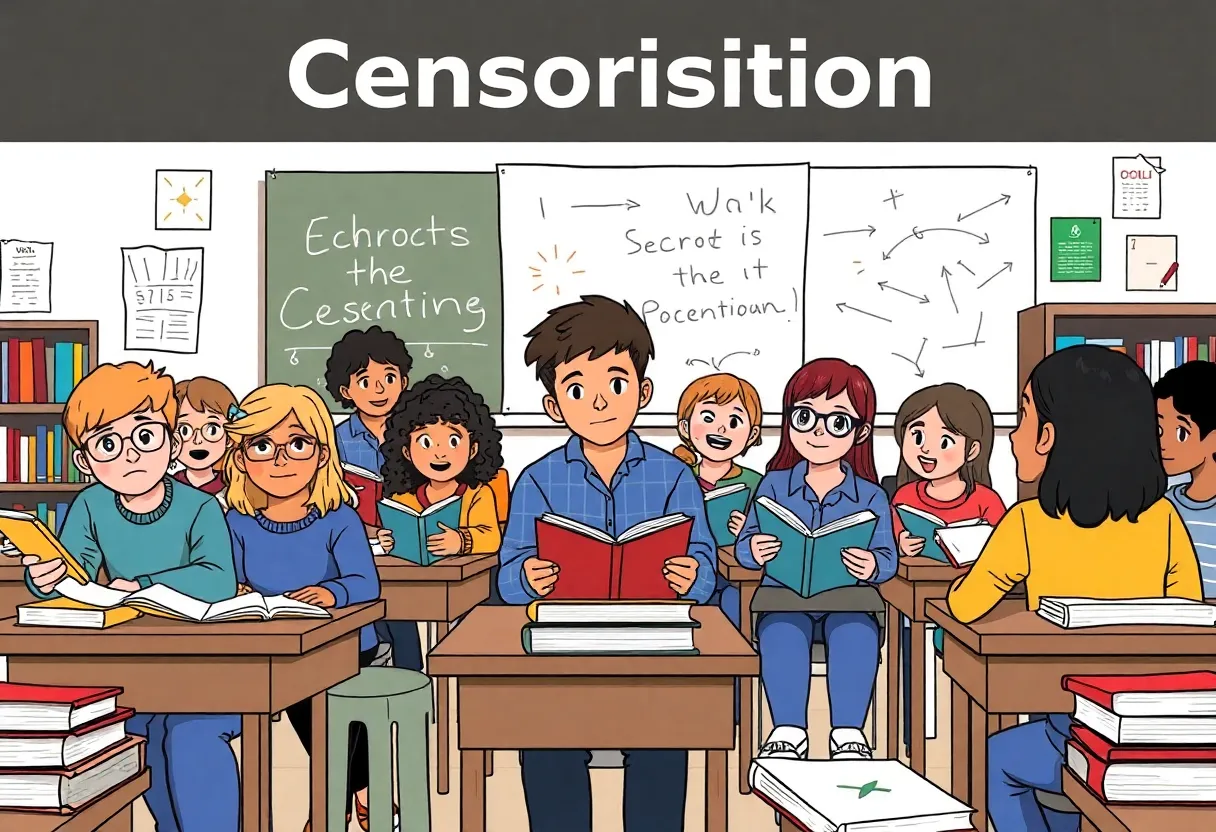
Columbia, South Carolina – A federal lawsuit has been filed against the South Carolina Department of Education (SCDE) challenging a state educational censorship law, known as Proviso 1.79, that has effectively led to the cancellation of Advanced Placement (AP) African American Studies courses across the state. The case, titled “NAACP-SC v. Weaver,” was initiated by the NAACP’s Legal Defense Fund alongside the Bailey Law Firm.
The lawsuit argues that Proviso 1.79 disproportionately impacts Black students by restricting their access to essential educational materials. This legal action comes alongside rising concerns about educational censorship and its effect on diverse student experiences.
Among those involved as plaintiffs in the case are Mary Wood, an English teacher at Chapin High School, and Ayanna Mayes, a librarian at the same school. Both educators express concern that the removal of critical texts and courses limits students’ education. For instance, Wood had a book by Ta-Nehisi Coates, titled “Between the World and Me,” censored from her AP curriculum, which she views as a direct insult to her professionalism and her commitment to educating her students.
Mayes also echoes concerns about the uncertainty that the budget proviso has instilled among educators regarding what can and cannot be taught in classrooms. There is a growing sentiment that students should have unrestricted access to information free from imposed viewpoints, a notion that has garnered support from various education advocates, including the League of Women Voters.
The SCDE stands firm in its position, asserting that its policies are in compliance with state and federal laws while emphasizing its commitment to improving educational outcomes for all students. As the legal proceedings unfold, there is currently no set date for a court ruling; however, a decision is anticipated before the new school year begins.
In a related development, the American Civil Liberties Union (ACLU) recently reported that South Carolina is at the forefront of book bans in the United States. The South Carolina Board of Education recently voted to remove ten books from public schools based solely on a single parent’s challenges. This move has added to the ongoing discourse about educational censorship and its repercussions for students and educators alike.
The initiation of this lawsuit is rooted in the SC Department of Education’s previous action of removing the course code for AP African American Studies, which served as a catalyst for the NAACP Legal Defense Fund to challenge the educational censorship alleged in the lawsuit. Advocates believe that this censorship infringes upon the constitutional rights of students and educators, particularly affecting the educational experiences of Black South Carolinians.
As the situation develops, the implications of this lawsuit could have lasting effects on educational policies and access to diverse curricular offerings in South Carolina public schools.
Frequently Asked Questions
What is the lawsuit against the South Carolina Department of Education about?
The lawsuit, titled “NAACP-SC v. Weaver,” challenges a censorship law known as Proviso 1.79, which has led to the cancellation of Advanced Placement African American Studies courses in South Carolina, alleging that it disproportionately affects Black students.
Who are the plaintiffs in the lawsuit?
The plaintiffs include Mary Wood, an English teacher, and Ayanna Mayes, a librarian, both from Chapin High School. They argue that the censorship limits their ability to provide diverse educational materials to students.
What actions have been taken by the South Carolina Board of Education?
The South Carolina Board of Education voted to remove ten books from public schools based on challenges made by a single parent, contributing to an increasing trend of book bans in the state.
What are the implications of this lawsuit?
The decision on this lawsuit could significantly impact educational policies in South Carolina, especially regarding access to diverse and inclusive curricula for students, particularly for Black South Carolinians.
Key Features of the Situation
| Feature | Details |
|---|---|
| Lawsuit Title | NAACP-SC v. Weaver |
| Challenged Law | Proviso 1.79 |
| Impact | Cancellation of AP African American Studies courses |
| Plaintiffs | Mary Wood, Ayanna Mayes |
| Supporting Organizations | NAACP Legal Defense Fund, Bailey Law Firm |
| Current Status | Awaiting court ruling |
| Related Issue | Increasing number of book bans in South Carolina |
Deeper Dive: News & Info About This Topic
HERE Resources
South Carolina Leads in Public School Book Bans
Federal Lawsuit Filed Against South Carolina Education Law
South Carolina Leads the Nation in Public School Book Bans
South Carolina’s Education Board Bans 22 Books
Challenge to Controversial Education Law Hits South Carolina Courts
Columbia Faces Legal Challenge Over Education Policies
Controversy Over Teaching Critical Race Theory in Chapin, SC
Additional Resources
- ABC Columbia: Lawsuit Challenges Educational Censorship
- Wikipedia: Education in the United States
- Washington Post: Universities and Educational Policies
- Google Search: Educational Censorship
- ABC Columbia: Federal Lawsuit Against SC Dept of Education
- Google Scholar: Educational Censorship Law
- ABC Columbia: Columbia PD Searching for Shooting Suspect
- Encyclopedia Britannica: Book Banning
- ABC Columbia: ACLU Report on Book Bans in SC
- Google News: Book Bans in South Carolina