
How Can You Safely Navigate the Challenges of DIY Roofing Projects?
Undertaking a DIY roofing project can be an enticing opportunity to save money and develop new skills. However, this task is fraught with potential challenges. Safety, proper planning, and execution are paramount. This article will provide essential tips and strategies for safely navigating DIY roofing projects.
Understanding the Risks Involved
Before you embark on your roofing endeavor, it is crucial to understand the risks involved. Roofing requires working at heights and can expose you to hazards such as falls, equipment accidents, or even electrical issues. Being aware of these risks allows you to prepare adequately.
Common Risks Associated with DIY Roofing
- Falls from Height: The leading cause of injuries in roofing projects. Safety harnesses and sturdy ladders are essential.
- Sun Exposure: Prolonged exposure can lead to heatstroke or sunburn. Wear appropriate clothing and sunscreen.
- Heavy Lifting: Roofing materials can be heavy and cumbersome. Use proper lifting techniques to avoid injuries.
- Electrical Hazards: If your roof involves proximity to power lines, ensure they are de-energized before you start work.
Planning Your Project Thoroughly
Proper planning is key to the success of any DIY roofing project. A comprehensive plan should encompass various aspects of the project, including materials, timeline, and safety measures.
Assessing the Condition of Your Roof
Before any work begins, inspect your existing roof for signs of damage. This includes checking for:
- Missing shingles
- Leaks
- Damaged flashing
If you notice major issues, consult a professional before attempting repairs.
Selecting the Right Materials
The choice of materials can influence both the durability and aesthetic value of your roof. Common roofing materials include:
- Asphalt Shingles: Cost-effective and easy to install for DIY projects.
- Metal Roofing: Durable and energy-efficient — requires special tools for installation.
- Tile Roofing: Long-lasting but heavier, necessitates proper structural support.
Research the pros and cons of each material before making a selection that suits your project scope and climate.
Gathering Essential Tools and Equipment
A well-equipped worksite can make a significant difference in your efficiency and safety. Essential tools might include:
- Ladder: Ensure it is sturdy and tall enough for your roof height.
- Safety Harness: A must for working at heights.
- Roofing Nailer: Speeds up the installation process.
- Utility Knife: Useful for cutting roofing materials.
- Safety Goggles: Protects your eyes from debris.
Investing in quality tools will contribute to a smoother and safer project outcome.
Implementing Safety Measures
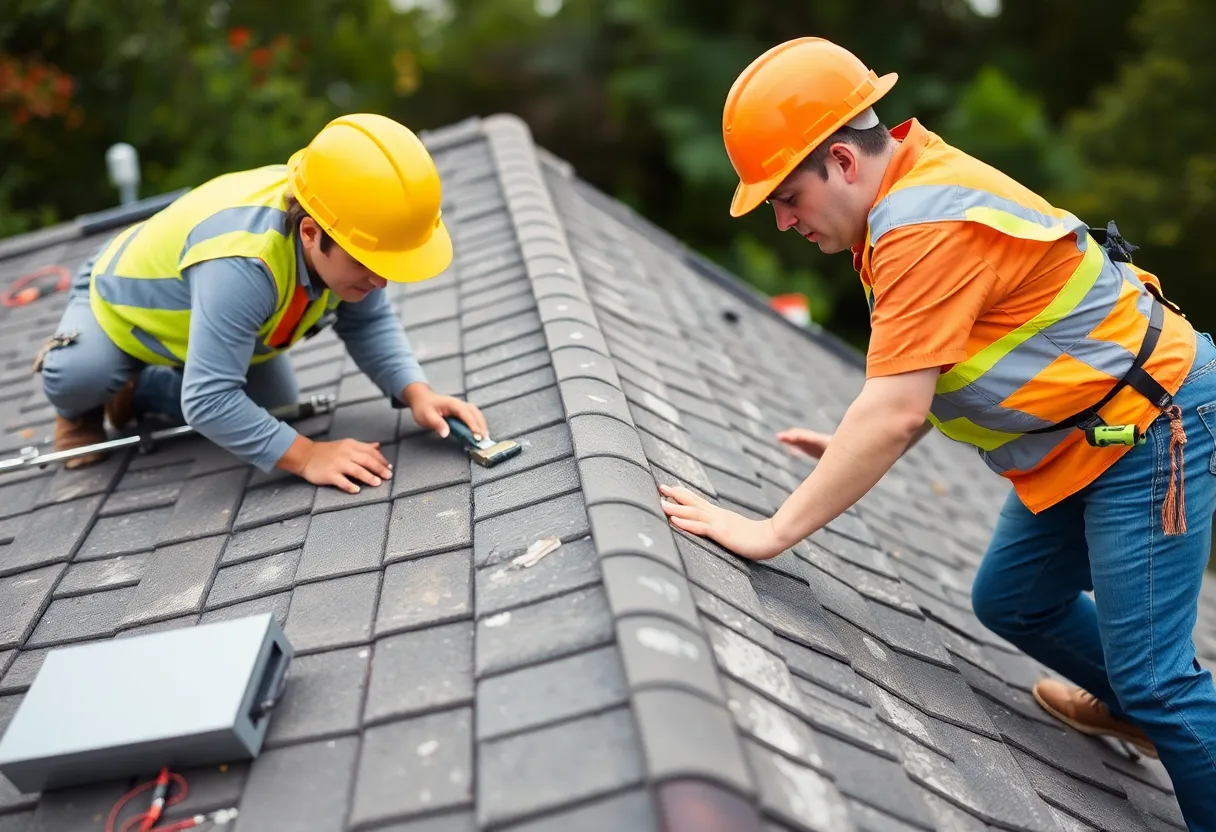
Prioritizing safety throughout your DIY roofing project is non-negotiable. Safety measures involve both equipment and strategies.
Personal Protective Equipment (PPE)
Always wear the following PPE:
- Hard Hat: Protects against falling objects.
- Non-slip Footwear: Reduces the risk of slips and falls.
- Gloves: Protects your hands while handling materials.
Establishing a Safe Work Environment
Ensure that your roof is clear of debris, and have a buddy system in place. This helps ensure that someone is always around in case of emergencies. Additionally, keep your tools organized to avoid tripping hazards.
Understanding the Installation Process
Having a clear understanding of the installation process is crucial for a successful roofing project. Each roofing material has its specific installation procedures. Here is a simplified guide for installing asphalt shingles.
Preparing the Roof Deck
Start by removing old shingles and inspecting the roof deck. Repair any visible damage. Ensure it is clean and dry before proceeding.
Installing Underlayment
Lay down the underlayment to protect the roof deck from moisture. Overlap the sheets and secure them with roofing nails.
Installing Asphalt Shingles
Begin at the eaves and work your way up. Use a chalk line to ensure straight rows and nail each shingle according to manufacturer specifications.
Conducting Regular Inspections
Once the installation is complete, conducting regular inspections maintains the integrity of your roof. Look for:
- Missing or damaged shingles
- Signs of water damage inside the home
- Growing moss or algae on the surface
Regular maintenance can prolong the lifespan of your roof and prevent costly repairs.
When to Call a Professional
While many DIY roofing projects are manageable, some situations necessitate professional assistance. Consider hiring a professional if:
- The pitch of the roof exceeds your comfort level.
- Significant structural repairs are needed.
- You are unsure about local building codes.
- Your project requires specialized materials or equipment.
Conclusion
DIY roofing projects can be rewarding but come with inherent risks and challenges. By **planning thoroughly, prioritizing safety, and understanding the installation process**, you can navigate these challenges effectively. Always prioritize safety and never hesitate to seek professional help if you find yourself in over your head. In doing so, you not only protect yourself but also ensure a successful roofing project.

 Mays Contracting