
How to Select the Right Roofing Style to Maximize Your Home’s Energy Efficiency
When selecting a roofing style, energy efficiency is a paramount consideration. Your choice not only impacts your home’s aesthetic appeal but also its functionality and energy consumption. Understanding the different roofing styles and their energy performance can guide homeowners toward making informed decisions that enhance both comfort and sustainability.
Understanding Energy Efficiency in Roofing
Energy efficiency in roofing primarily relates to how well a roof insulates your home, reflects sunlight, and reduces heat transfer. Focusing on these elements can lead to significant reductions in heating and cooling costs. Key factors influencing energy efficiency include
- Roofing material
- Roof color
- Insulation quality
- Roofing slope
Types of Roofing Styles
Several roofing styles can influence your home’s energy efficiency. Each has unique features that can either enhance or compromise energy performance.
1. Flat Roofs
Flat roofs are often found in commercial buildings but can also be utilized in modern residential designs. They have minimal slope, allowing for easy installation of energy-efficient materials. With proper insulation and reflective coatings, flat roofs can significantly reduce heat retention and energy consumption.
2. Gable Roofs
Gable roofs are characterized by their triangular shape. This design promotes excellent ventilation, allowing hot air to escape during summer months. Using energy-efficient materials, such as metal or asphalt shingles, can enhance their overall efficiency. Additionally, the steep angle improves drainage and reduces the risk of moisture-related issues.
3. Hip Roofs
Hip roofs slope on all sides, providing a stable structure. They are typically more aerodynamic, which helps to withstand strong winds. This roofing style can be very energy-efficient if constructed with proper insulation. The multi-slope design can also facilitate better airflow, promoting cooling during warmer months.
4. Shed Roofs
Shed roofs consist of a single slope, offering a modern look. This style is easier to construct and can be a cost-effective solution. Energy efficiency is achievable through the addition of high-performance insulation and the application of reflective materials, reducing heat absorption significantly.
Roofing Materials and Their Efficiency
The materials used in roofing can greatly affect energy efficiency. Options include:
1. Asphalt Shingles
Asphalt shingles are popular due to their affordable price and versatility. While they offer moderate energy efficiency, opting for “cool” shingles, which reflect sunlight, can enhance their performance.
2. Metal Roofing
Metal roofing provides superior energy efficiency. It reflects solar radiant heat, keeping homes cooler in warmer climates. Additionally, metal roofs are durable and can last up to 50 years, making them economically viable in the long run.
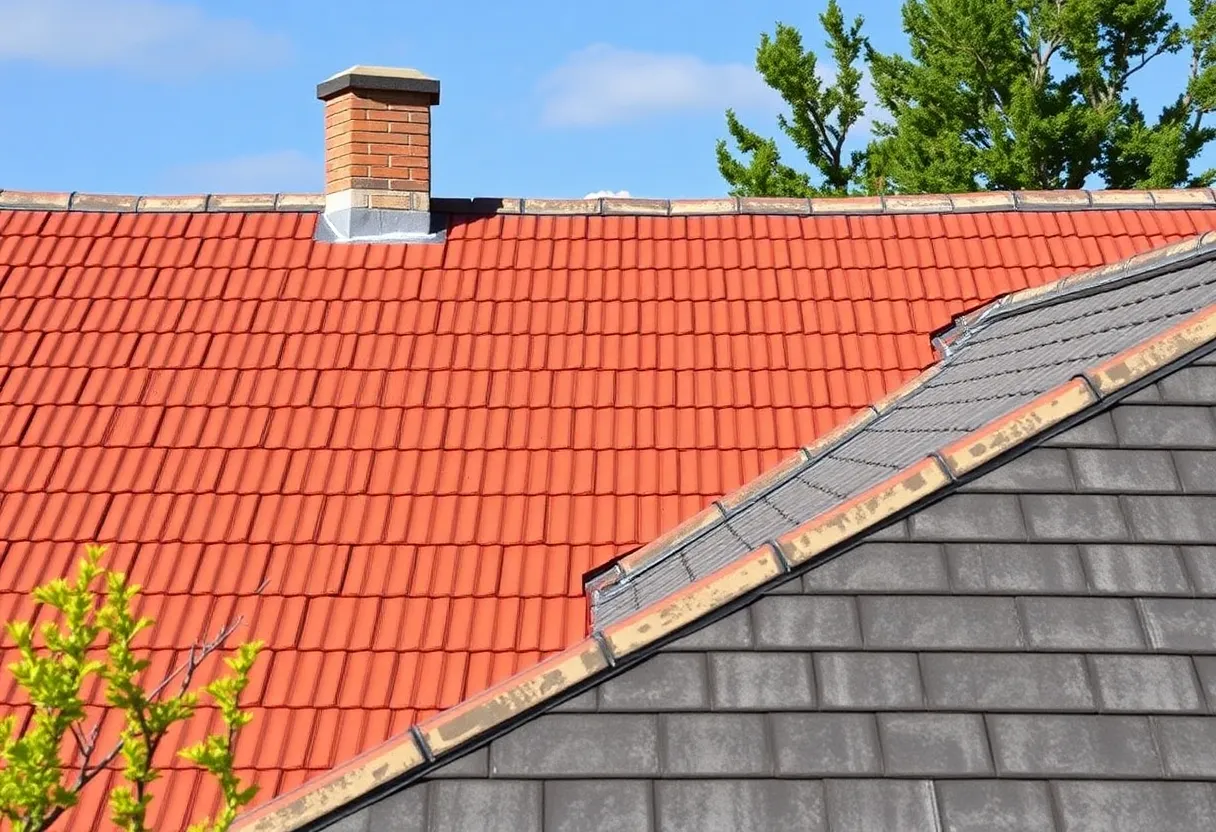
3. Clay and Concrete Tiles
Clay and concrete tiles present a more traditional look and are excellent insulators. They have high thermal mass, enabling them to absorb heat during the day and release it at night, thereby stabilizing indoor temperatures.
4. Slate Roofing
Slate roofing is one of the most energy-efficient options due to its thermal mass properties. Though more expensive, slate roofs can provide long-lasting benefits through energy savings over time.
Additional Factors Affecting Energy Efficiency
Choosing the right roofing style and materials is just the beginning. To maximize energy efficiency, other elements must be considered:
1. Insulation
Proper roof insulation is essential for minimizing heat transfer. The installation of high-quality insulation in the attic or roof can significantly enhance energy efficiency. This reduces the demand for heating and cooling systems.
2. Ventilation
Good ventilation helps to reduce heat buildup in the attic space. Roofs should ideally include adequate vents that allow hot air to escape during summer. This can drastically lower the overall temperature and reduce cooling costs.
3. Roof Color
Choosing lighter roof colors or reflective materials can help manage heat absorption. Dark-colored roofs tend to absorb heat, increasing cooling costs. Lighter shades help reflect sunlight, keeping indoor spaces cooler.
Climate Considerations
Your local climate plays a crucial role in roofing style selection. Evaluate your regional weather extremes:
1. Hot Climates
In hotter regions, opt for lighter-colored, reflective roofing materials that minimize heat absorption. Roof styles that promote passive ventilation, like gable roofs, are also beneficial.
2. Cold Climates
For colder areas, a roofing style with good insulation properties, such as sloped roofs, is preferable. Materials with high thermal resistance will retain warmth during cold months, lowering heating costs.
Regulatory and Environmental Considerations
Always be aware of local building codes and regulations, which may dictate certain roofing styles or materials. Energy-efficient roofing might also qualify for tax incentives or rebates in some areas.
Being environmentally conscious can also influence your decision. Options like green roofs, which incorporate vegetation, not only provide insulation but also help with stormwater management and biodiversity.
Conclusion
Selecting the right roofing style is pivotal in maximizing energy efficiency in your home. Consider the various designs and materials, keeping in mind the climate, insulation quality, and local regulations. By being mindful of these factors, homeowners can make an informed choice that not only enhances energy efficiency but also contributes to long-term savings and environmental sustainability.
Remember, consulting with a roofing professional can provide further insights tailored to your specific needs and circumstances, ensuring that your roofing choice supports your energy efficiency goals.

 Mays Contracting