How to Choose the Right Roof Design for Maximum Energy Efficiency
Choosing the right roof design is critical for maximizing energy efficiency in any building. The roof plays a significant role in temperature regulation, potential energy savings, and overall environmental impact. This article provides insights into various roof designs, their energy-efficient benefits, and factors to consider when making your selection.
Understanding the Importance of Roof Design
The roof is more than just a protective cover for your building; it acts as a critical barrier against the elements, influencing how much energy a home or building consumes. A well-designed roof can:
- Reduce heating and cooling costs
- Minimize energy waste
- Enhance indoor comfort
- Contribute to sustainability
Prioritizing energy efficiency can result in substantial financial savings over time, making roof design a critical consideration for homeowners and builders alike.
Key Factors Influencing Roof Design
1. Climate Considerations
Climate plays a pivotal role in determining the best roof design. Different roofing materials and styles offer varied benefits based on regional weather patterns:
- Warm Climates: Reflective roofs and light-colored materials help minimize heat absorption. Low-slope roofs often work best here.
- Cold Climates: Steep-pitched roofs promote snow shedding and prevent ice dams, which can lead to leaks and structural damage.
- Mixed Climates: A hybrid approach using materials and designs that serve both heating and cooling needs may be optimal.
2. Roofing Materials
The selection of roofing materials greatly affects energy efficiency:
- Metal Roofing: Highly reflective, metal roofs can significantly reduce heat absorption.
- Tile Roofing: Tiles provide good insulation and often come in light colors that reflect heat.
- Asphalt Shingles: Available in various colors, these offer affordability but require proper ventilation for energy efficiency.
- Green Roofs: Induced landscaping can mitigate temperature fluctuations while enhancing insulation and reducing stormwater runoff.
3. Roof Shape and Slope
The roof’s shape and slope can profoundly affect its energy efficiency:
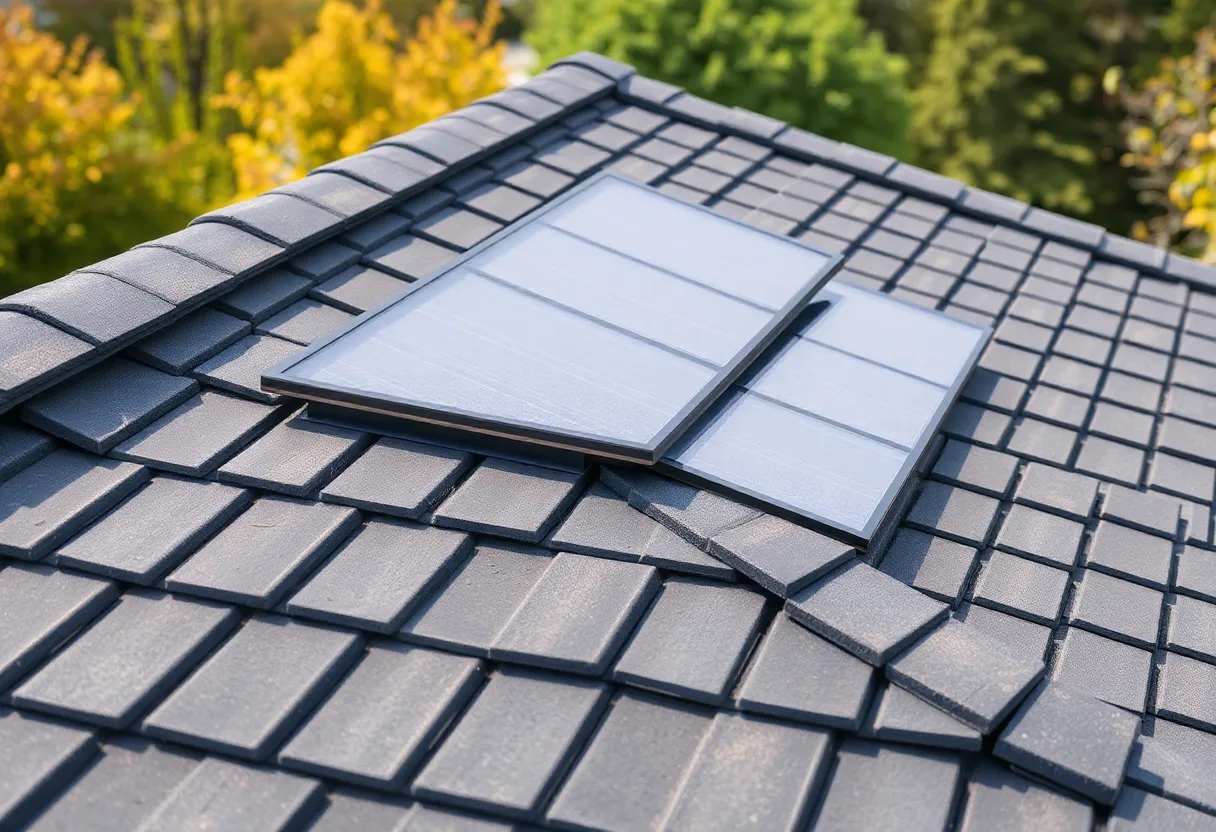
- Flat Roofs: Easier to install solar panels but can collect water, necessitating a proper drainage system.
- Gable Roofs: Allow for adequate ventilation and snow shedding; however, they may be less stable in high-wind areas.
- Hip Roofs: Offer better wind resistance, making them a good choice for high-risk areas.
4. Insulation and Ventilation
Even the best roof design can fall short without proper insulation and ventilation:
- Insulation: Proper insulation reduces heat transfer, keeping homes cooler in summer and warmer in winter.
- Ventilation: Ensures air circulation, preventing heat buildup in the attic, which can hinder energy efficiency.
Evaluating Different Roof Designs
1. Flat Roofs
Flat roofs are commonly used in commercial buildings but can also be an option for residential homes. They are generally cost-effective and facilitate easy accessibility:
Advantages:
- Ease of installation and maintenance
- Potential for rooftop gardens and solar panels
Disadvantages:
- Poor drainage may lead to water pooling and damage
- Less effective at snow shedding compared to pitched roofs
2. Pitched Roofs
Pitched roofs remain a popular choice for residential structures due to their aesthetics and performance:
Advantages:
- Efficient snow and water runoff
- Good ventilation options
Disadvantages:
- Higher construction costs and complexity
- Requires more materials than flat roofs
3. Green Roofs
Green roofs are gaining popularity, especially in urban settings. They involve planting vegetation on the roof surface:
Advantages:
- Excellent insulation properties
- Removes air pollutants and adds aesthetic value
Disadvantages:
- Higher initial setup and maintenance costs
- May require structural reinforcement
Making the Right Choice
1. Evaluate Local Codes and Regulations
Always check local building codes and regulations that may restrict certain types of roof designs or materials. Zoning and environmental regulations will also influence your choices.
2. Consider the Long-Term Costs
Initial construction costs can be misleading. Consider the long-term energy savings and potential maintenance costs associated with different roofing options.
3. Consult with Professionals
Seek guidance from architects, builders, and energy efficiency experts. Their insights can help tailor the roof design to your specific needs and local conditions.
Conclusion
Choosing the right roof design is a crucial decision that can lead to enhanced energy efficiency and sustainability. By considering climate, materials, shape, and ventilation, you can create a roof that not only meets aesthetic preferences but also offers practical energy-saving benefits. A well-planned roof can significantly reduce energy costs while providing comfort and environmental benefits. Invest time in this decision to achieve maximum efficiency and long-term benefits.

 Mays Contracting