
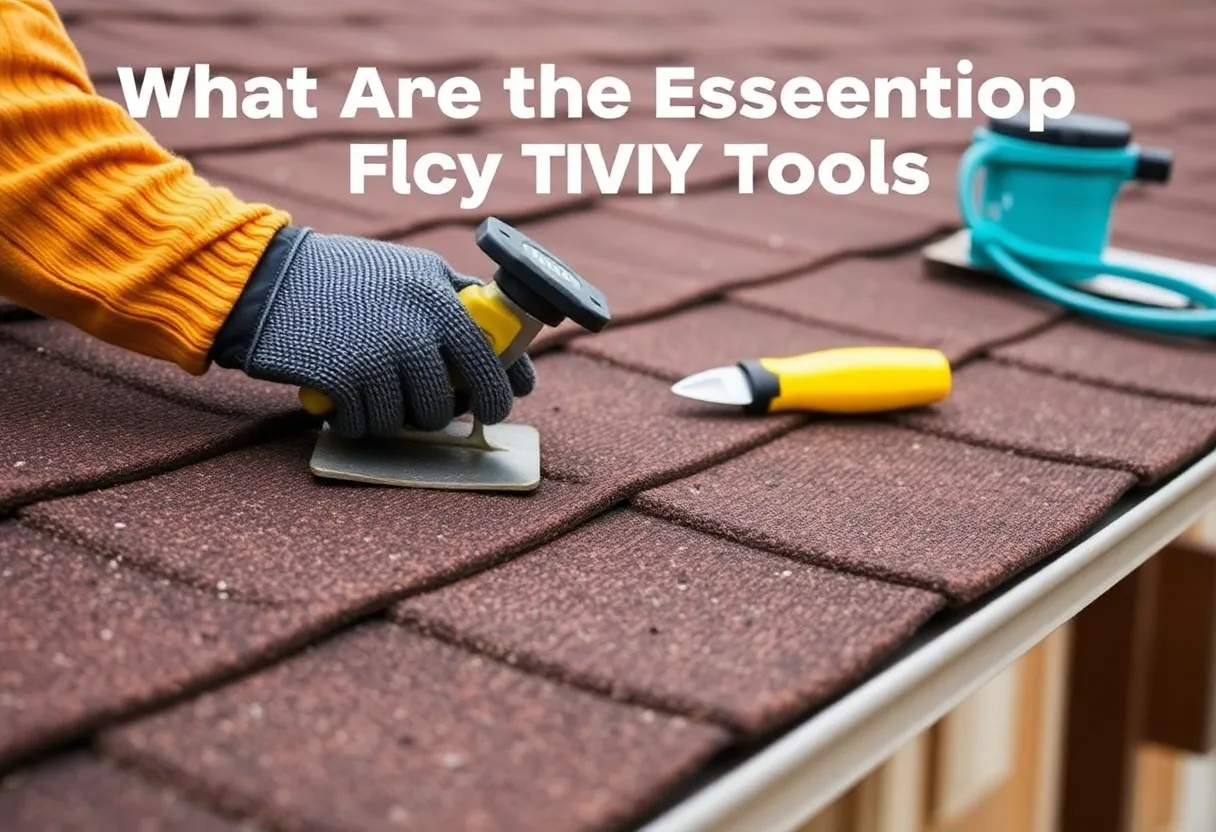
What Are the Essential Tools Every DIY Roofer Should Have?
Roofing is a challenging yet rewarding DIY project. To successfully tackle this endeavor, one must equip themselves with the right tools. High-quality tools not only enhance the efficiency of the task but also ensure safety and optimal results. This article explores the essential tools every DIY roofer should have, enabling you to confidently approach your roofing projects.
1. Safety Gear
Hard Hat
A hard hat is a basic necessity for any roofing project. It protects your head from potential hazards such as falling debris or tools.
Safety Glasses
Wearing safety glasses protects your eyes from dust, debris, and bright sunlight while you work on the roof.
Gloves
A good pair of work gloves provides grip and protects your hands from sharp materials and rough surfaces.
Fall Protection Gear
To prevent accidents, having fall protection gear such as harnesses and lanyards is vital, especially if you are working on steep slopes or high roofs.
2. Measuring Tools
Measuring Tape
A measuring tape is essential for ensuring accurate measurements of the roofing area and materials needed.
Square
A carpenter’s square allows you to verify angles, ensuring that your roofing materials are installed correctly.
Level
A level is critical for ensuring that all elements of the roof are properly aligned and will function correctly.
3. Cutting Tools
Utility Knife
A reliable utility knife is necessary for cutting roofing materials such as shingles and felt. Make sure to have replacement blades on hand.
Tin Snips
Tin snips are ideal for cutting metal roofing materials, offering precision and ease without the need for power tools.
Reciprocating Saw
A reciprocating saw is versatile and powerful, useful for quickly cutting through various materials, including roofing and decking materials.
4. Fastening Tools
Nail Gun
A nail gun significantly speeds up the roofing process. With the right attachments, it can drive nails into various materials efficiently.
Hammer
A hammer remains an essential manual tool. A roofing hammer, in particular, features a flat surface for shingle installation and a pick for removing nails.
Stapler
A stapler is useful for securing underlayment to the roof deck, particularly when working with synthetic materials.
5. Roofing Installation Tools
Shingle Lifter
A shingle lifter is invaluable for lifting shingles into place safely and efficiently, minimizing back strain.
Chalk Line
A chalk line helps you mark straight lines across the roof, ensuring uniformity in shingle installation and alignment.
Trowel
A roofing trowel is essential for applying roofing cement and sealant, ensuring a secure waterproof bond.
6. Cleanup Tools
Magnetic Nail Finder
A magnetic nail finder is crucial for ensuring that no stray nails remain on the roof or surrounding area, preventing hazards later.
Tarps
Having a few tarps on hand can help protect landscaping and prevent debris from accumulating on the ground.
Trash Bags
Designate trash bags for easy disposal of old shingles and roofing materials, ensuring a clean worksite.
7. Ventilation and Weather Tools
Roofing Ventilation Tools
Tools to aid in proper ventilation installation are essential for any roofing job. Ensure you have the necessary accessories for vents and fans.
Weather-resistant Clothing
Wearing weather-resistant clothing adds an extra layer of protection against harsh conditions, allowing you to work comfortably in any weather.
8. Miscellaneous Tools
Tool Belt
A functional tool belt helps keep your essential tools within reach, improving efficiency as you move around the roof.
Flashlight
Having a flashlight can be valuable for nighttime work or inspecting dark spaces, improving visibility and safety.
Multitool
A versatile multitool can serve various functions, allowing you to adapt to unexpected tasks that may arise.
Conclusion
Equipping yourself with the right tools is essential for successful DIY roofing projects. This list provides a comprehensive overview of the essential tools that can help you complete your roofing tasks safely and effectively. Remember, investing in quality tools pays off in the long run. Always prioritize safety and proper preparation before starting your roofing projects to ensure a job well done.

 Mays Contracting