
What Are the Most Effective Techniques for DIY Roof Ventilation?
Proper roof ventilation is essential for maintaining a healthy and efficient home. It helps to regulate temperatures, prevent moisture buildup, and enhance the longevity of roofing materials. In this article, we explore the most effective techniques for DIY roof ventilation, guiding homeowners towards optimal solutions without professional intervention.
Understanding Roof Ventilation
Roof ventilation involves the circulation of air within the attic space and roofing system. Its primary purposes include:
- Temperature control: Keeping the attic cool during summer months.
- Moisture management: Reducing humidity to prevent mold and mildew.
- Energy efficiency: Decreasing the load on heating and cooling systems.
Types of Roof Ventilation
There are two primary types of roof ventilation: active and passive. Each serves specific needs and can be implemented effectively through DIY methods.
Passive Ventilation
Passive ventilation relies on natural airflow without mechanical assistance. Key techniques include:
1. Ridge Vents
Ridge vents are installed along the peak of the roof, allowing warm air to escape naturally. These vents work best in conjunction with soffit vents to create a balanced airflow. Proper installation ensures no water intrusion.
2. Soffit Vents
Soffit vents are installed in the eaves of the roof. They allow cool, fresh air to enter, pushing out warm air at the ridge vents. It’s crucial to ensure the intake area is not obstructed to maintain desirable airflow.
3. Gable Vents
Gable vents are installed on the gable ends of a house. They facilitate cross ventilation by allowing warmer air to escape from the attic. While they can be effective, they are best used in combination with other ventilation types.
Active Ventilation
Active ventilation uses mechanical systems to promote airflow. This style is beneficial in homes with limited passive ventilation options.
1. Attic Fans
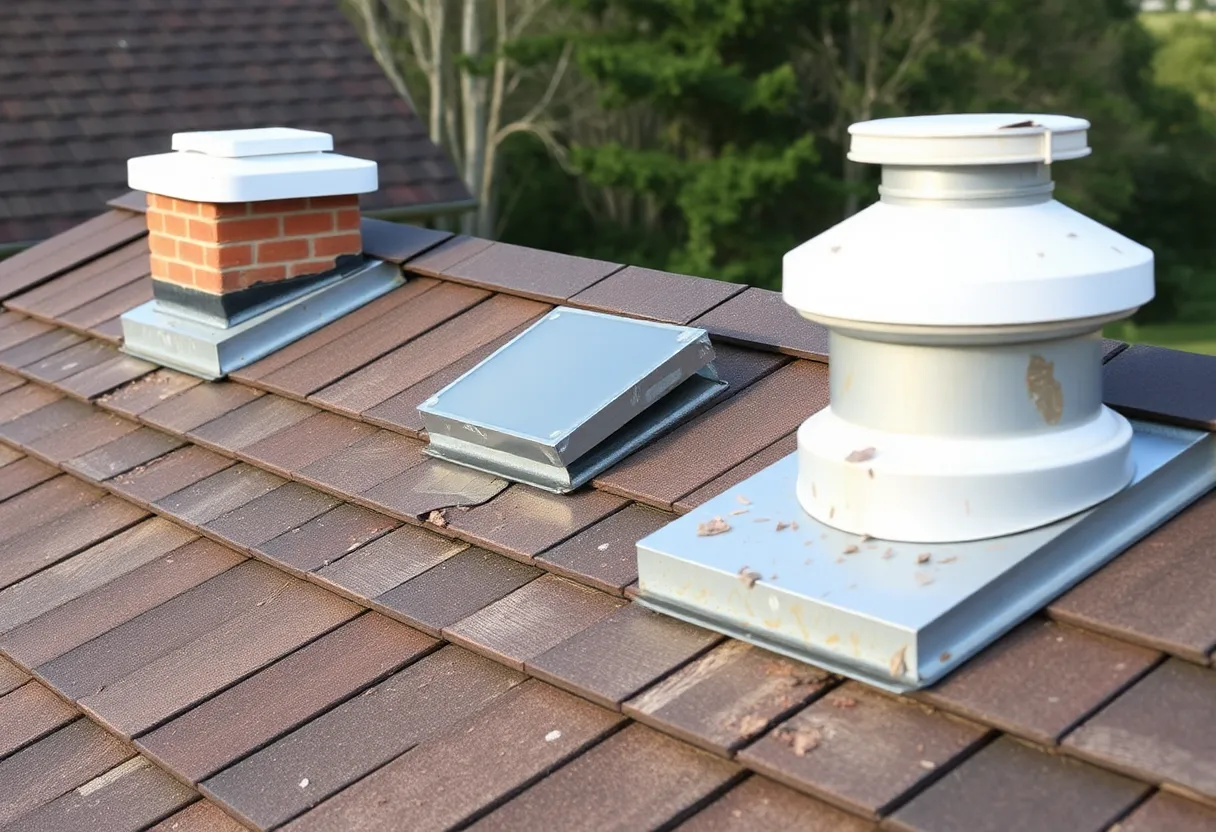
Attic fans are powered fans installed near the roofline. They actively pull hot air out of the attic, which can help reduce cooling costs during the summer. Proper placement and sizing are critical for functionality.
2. Roof-Mounted Exhaust Fans
Exhaust fans mounted directly on the roof operate similarly to attic fans, but they are designed for larger amounts of air. They are often suitable for larger homes or areas with high humidity levels.
Best Practices for DIY Roof Ventilation
Implementing roof ventilation can be challenging, especially for beginners. Here are some best practices to help guide your DIY efforts:
1. Assess the Current Ventilation Situation
Before undertaking any ventilation project, evaluate your existing setup. Look for signs of inadequate ventilation, such as:
- Excessive heat or humidity in the attic
- Mold or mildew growth
- Damaged roofing materials
2. Calculate Ventilation Needs
The ratio of intake to exhaust ventilation is pivotal. A commonly used rule of thumb is a 1:300 ratio, meaning for every 300 square feet of attic floor space, at least 1 square foot of ventilation is necessary. Calculating this ensures that your approach is effective.
3. Ensure Proper Installation
Following the manufacturer’s instructions during installation is crucial. Pay attention to common pitfalls, such as:
- Avoiding insulation blocking airflow
- Ensuring a tight seal to prevent leaks
- Checking the placement and orientation of vents
4. Regular Maintenance
Maintenance is vital for long-term effectiveness. Schedule routine inspections for:
- Dirt and debris buildup
- Damage to vents
- Leak checks, especially after severe weather
Conclusion
Implementing effective roof ventilation through DIY methods enhances the comfort and durability of any home. By utilizing a combination of passive and active techniques, and adhering to best practices, homeowners can achieve an efficient ventilation system that promotes a healthy living environment. Prioritize safety and quality in all DIY tasks to reap the full benefits of your roof ventilation efforts.

 Mays Contracting