
News Summary
The Attorney General of South Carolina, Alan Wilson, is demanding the city of Columbia rescind its 2021 ban on conversion therapy for minors, claiming it’s unconstitutional. The legal dispute centers around the Medical Ethics and Diversity Act, which restricts local governments from regulating medical practices. Mayor Daniel Rickenmann questions the sudden challenge after four years without enforcement. With potential state funding losses looming, the situation raises crucial implications for LGBTQ rights and mental health care policies in the state.
Columbia’s Conversion Therapy Ban Faces Challenge from State Attorney General
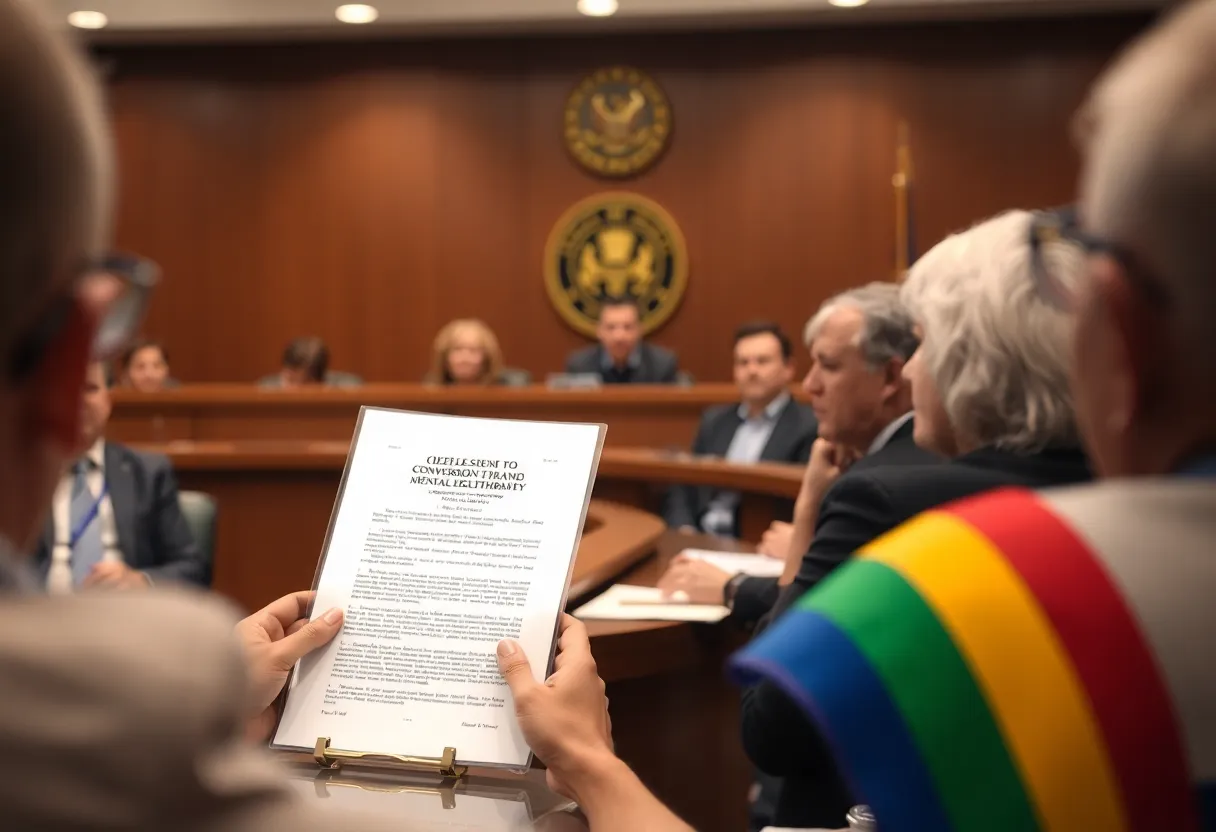
Columbia, South Carolina, is currently in the spotlight as the state’s Attorney General, Alan Wilson, is demanding that the city rescind its ban on conversion therapy for minors. This ban, which was introduced by the city council in 2021, has now found itself at the center of a legal debate, with Wilson asserting that it is unconstitutional and conflicts with state law.
The heart of the matter lies in the Medical Ethics and Diversity Act, a law that passed in 2022 prohibiting local governments from placing restrictions on medical care provided by practitioners, including therapists. Wilson argues that Columbia does not have the authority to regulate professions that require a uniform standard across the state. According to him, this raises constitutional issues and puts the city in a precarious position.
The mayor of Columbia, Daniel Rickenmann, has voiced his concerns regarding the timing of Wilson’s demands, questioning why this issue is rising to the surface now after four years without any enforcement or incident related to the ordinance. Interestingly, the ordinance itself has never been enacted with no recorded complaints or fines, making the sudden push for its repeal all the more perplexing to city officials. Rickenmann stated the city is currently consulting with legal advisors before deciding how to proceed.
Wilson’s letter demanding a response by May 5, 2025, indicates the possibility of potential legal action if Columbia does not comply. The Attorney General’s office previously suggested that the conversion therapy ban likely infringes on First Amendment rights, a point that adds to the complexities of the situation.
For those unfamiliar, conversion therapy aims to change an individual’s sexual orientation or gender identity. This practice has been widely condemned by major medical and psychological organizations around the world, which argue it does not have a scientific basis and can lead to serious harm. Columbia’s ordinance was developed through discussions with members of the LGBTQ community and therapeutic practitioners, ultimately passing the city council by a close 4-3 vote despite facing reservations from several council members, including Rickenmann and the former mayor.
The public reaction to the ordinance has been mixed. While many faith leaders expressed their opposition, numerous members of the LGBTQ community lent their support. Wilson’s assertion that conversion therapy is misunderstood further complicates the matter, drawing comparisons to historically harmful treatments which have long since been rejected by ethical medical practice.
Making matters more pressing, a recent amendment from the South Carolina Senate proposes cutting state funding to Columbia if the city fails to comply with Wilson’s request. This political maneuver has raised eyebrows and brought attention to the potential implications for the city’s budget and infrastructure, which are already pressing issues on the city’s agenda.
In the backdrop of this legal battle, speculation surrounds Wilson’s motivations, particularly with the upcoming gubernatorial race on the horizon. Many local LGBTQ+ leaders, including the president of SC Pride, have perceived Wilson’s letter as more of a political statement than a serious legal consideration, raising questions about the implications for community discussions about conversion therapy.
Critics argue that Wilson has not actively engaged with those affected by conversion therapy, including individuals who have lived through the experience. Their calls for dialogue emphasize the importance of understanding the personal and detrimental impacts of these practices rather than simply treating the issue as a political football.
As Columbia navigates this complex legal landscape, the future of the conversion therapy ban hangs in the balance. The outcome could have lasting effects not only on local governance but also on the broader conversation surrounding LGBTQ rights and mental health care in South Carolina.
Deeper Dive: News & Info About This Topic
HERE Resources
Columbia City Council to Vote on Tech Hub Sale
Columbia Faces Supreme Court Showdown Over Conversion Therapy Ban
Additional Resources
- The State
- ABC Columbia
- Post and Courier
- Wikipedia: Conversion therapy
- Google Search: Conversion therapy ban