Historic Influences on Today’s Chapin SC Golf Neighborhood Designs
Introduction
Chapin, South Carolina, has emerged as a prime location for golf communities, blending contemporary design with historical influences that reflect the region’s cultural roots. Understanding the evolution of these neighborhoods requires a dive into the area’s design history and the architectural heritage that has shaped its development.
The Historical Context of Chapin SC Design
Chapin’s design narrative is intertwined with the broader historic influences SC has experienced over the years. Initially settled in the late 19th century, Chapin was heavily influenced by Southern architectural styles that emphasized both functionality and aesthetic appeal.
Early Architectural Styles
The early architectural styles found in Chapin drew inspiration from Colonial and Victorian designs. Many of the homes built during the early 1900s featured elements like large porches, intricate woodwork, and symmetrical designs, which spoke to the social norms of the era. These homes reflected not only the cultural values of the time but also a strong connection to the land, which is evident in their incorporation of surrounding natural landscapes.
Post-World War II Developments
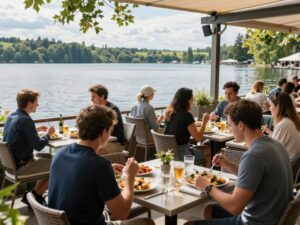
After World War II, Chapin experienced a shift that urged the development of more suburban-style properties. This shift aligned with national trends where families sought outdoor recreation, resulting in the rise of golf communities. With its proximity to Lake Murray, the area became a desirable location for those looking to enjoy both water and golf.
The Evolution of Chapin Golf Communities
As the demand for golf-centric neighborhoods increased, developers began integrating historical elements with modern amenities. The Chapin golf community evolution is characterized by a thoughtful approach that respects the past while embracing contemporary design principles.
Community Planning and Layout
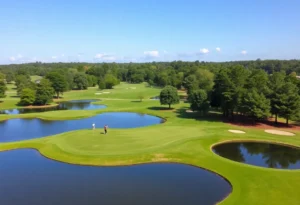
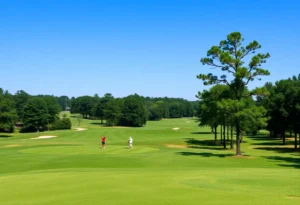
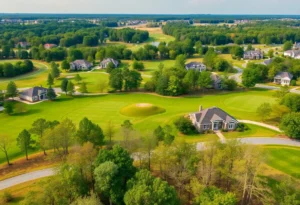
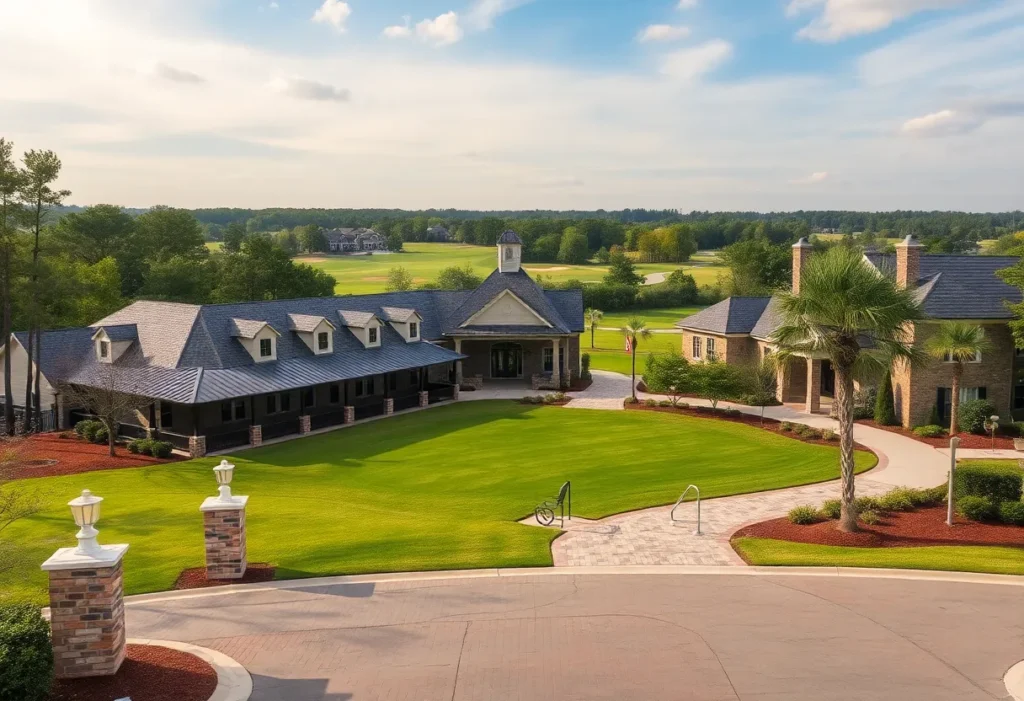
The layout of golf communities in Chapin has been influenced by early planning concepts that focused on accessibility and community interaction. Today’s golf neighborhoods often feature clustered homes surrounding the golf course, promoting a sense of belonging. This design aims to foster relationships among residents, reminiscent of historical small-town communities.
A Balance of Nature and Design
Many golf communities in Chapin have been designed with sustainability in mind, echoing the land’s natural attributes. Historical designs often emphasized harmony with nature, a principle that modern developers adopt as they create greenspaces that enhance the golfing experience. The goal is to maintain a balance between man-made structures and the surrounding environment.
Architectural Heritage in Chapin SC
The SC architectural heritage plays a key role in shaping the identity of golf neighborhoods in Chapin. By integrating materials and styles that reflect local historical designs, developers are creating neighborhoods that celebrate this heritage.
Cultural Symbolism in Design
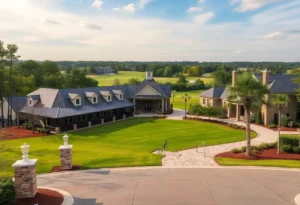
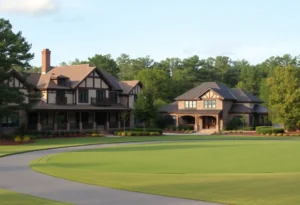
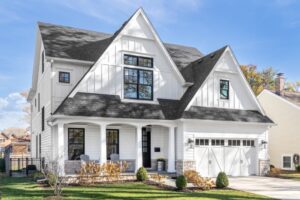
Visual markers such as brick facades, columns, and historical motifs are commonly used in these communities. These design elements pay homage to the region’s rich history while providing a modern living environment. Home designs often reflect Southern hospitality, featuring welcoming front porches and open spaces.
Integrating Local History into Community Identity
Developers often take great care to incorporate local historic sites and narratives into community designs. This can include preserving significant landscapes or landmarks within the golf course layout or using local artisanship in construction. The aim is to create a unique sense of place that reflects Chapin’s past.
Conclusion
The historic influences SC has on present-day designs in Chapin showcase a fascinating blend of the old and the new. The thoughtful integration of historical elements into modern golf neighborhoods allows residents to enjoy contemporary living while engaged with the rich history of their community. As Chapin’s golf communities continue to evolve, they will undoubtedly reflect the enduring legacy of the region’s cultural roots, making them not just places to live but communities that honor their past.