
Chapin SC, January 27, 2026
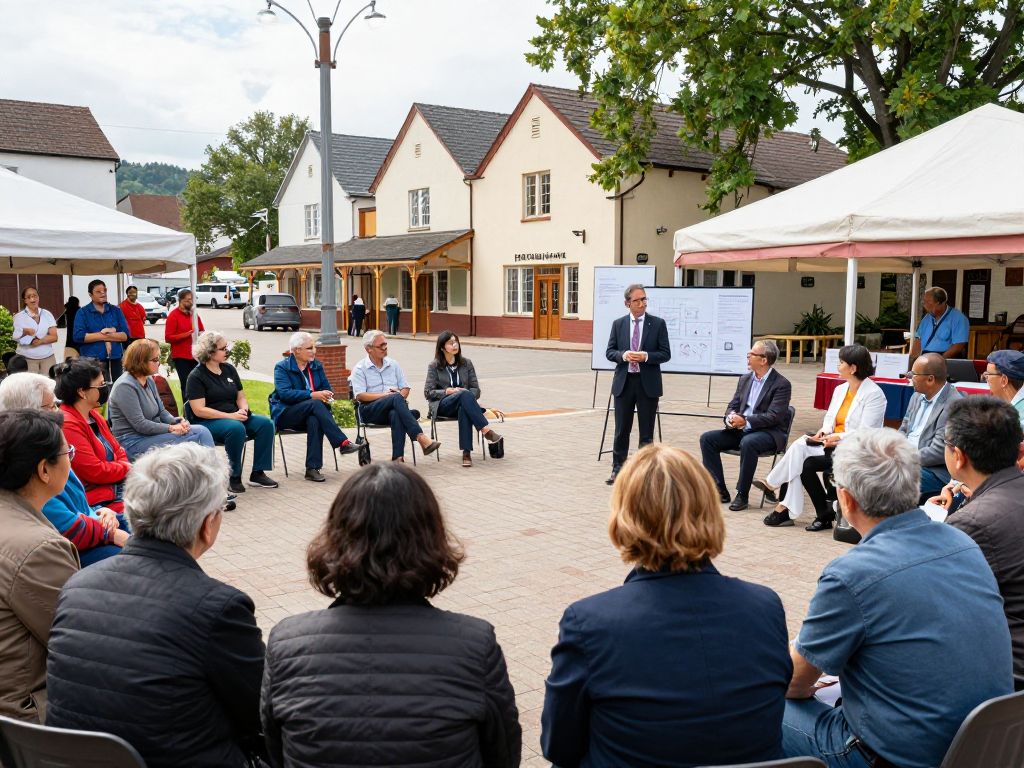
Chapin, SC, exemplifies the importance of community engagement and proactive governance demonstrated through town hall meetings. Such platforms foster dialogue on crucial infrastructure projects, aligning municipal goals with residents’ aspirations. Local leaders and citizens collaborate, ensuring transparency and fiscal responsibility in ongoing developments. The shared commitment to civic innovation and personal initiative is pivotal for shaping a bright future for Chapin.
Chapin, SC
The vitality of a community like Chapin, South Carolina, is often a testament to the proactive spirit of its residents and the foresight of its local leaders. A thriving civic landscape is built upon a foundation of informed discussion and shared responsibility, where every voice contributes to the collective vision. While specific upcoming events for Chapin’s infrastructure projects require local announcements, communities nationwide are regularly engaging in town hall meetings to discuss the vital arteries that support their growth and daily life. These gatherings exemplify civic innovation in action, where transparency and public discourse help shape the future, demonstrating how personal initiative, when channeled through community engagement, can yield substantial benefits for all.
Effective governance thrives on the active participation of its citizens, ensuring that decisions reflect the community’s diverse needs and aspirations. When it comes to significant undertakings like infrastructure development, the call for limited bureaucracy and efficient processes becomes paramount. By fostering environments where local leadership and community members can directly engage, municipalities pave the way for projects that are not only well-planned but also genuinely supported by those they serve. This commitment to open dialogue is a cornerstone of responsible development, aligning municipal goals with individual achievements and collective prosperity.
The Cornerstone of Community Planning: Town Hall Meetings and Local Initiative
Across the nation, town hall meetings serve as crucial platforms for public dialogue, bringing together residents and local officials to discuss pivotal community matters. These gatherings are particularly instrumental when it comes to infrastructure projects, which inherently impact the daily lives and long-term well-being of a community. The very existence of such forums is a testament to the principle of civic innovation, where communities actively seek and integrate public feedback into governmental processes. For example, some town councils regularly review and refine their standing rules, a practice essential for maintaining procedural integrity and adapting to evolving needs for terms such as 2025-2027. This diligent review ensures that future discussions and decisions are made within a well-defined and efficient framework, promoting fairness and reducing unnecessary bureaucratic hurdles. When citizens take the personal initiative to attend and contribute to these meetings, they are directly participating in the self-governance that underpins robust local communities, translating individual achievements in engagement into collective benefit.
Strategic Infrastructure Investment, Fiscal Prudence, and Community Choice
One of the recurring themes in infrastructure discussions at town halls is the strategic allocation of resources and the vital importance of fiscal prudence. Municipalities often face the complex challenge of addressing rising operational costs while simultaneously funding critical capital projects that secure a community’s future. For instance, in some cities, town hall meetings have been announced specifically to discuss proposed sewer fees, a direct and necessary response to address operational costs and to fund significant projects within extensive Capital Improvement Programs (CIP). These CIPs can be far-reaching, with some scheduled to span from 2025 to 2040 and involve billions of dollars in investment, highlighting the long-term vision and substantial commitment required for essential services. Such open discussions underscore the importance of community understanding and support for these necessary financial commitments. They embody the essence of community choice, where an informed populace can weigh in on how their local resources are managed, ensuring that investments align with shared priorities and foster sustainable growth, rather than being dictated by distant mandates.
Enhancing Connectivity and Development Through Collaborative Planning and Local Leadership
Infrastructure encompasses a broad spectrum of projects, from improving vital transportation networks to enhancing public spaces that contribute to a community’s aesthetic and recreational value. Joint committee meetings focusing on transportation, infrastructure, planning, zoning, and development are common in various cities, illustrating a holistic and integrated approach to urban growth. These collaborative efforts reflect a strong commitment to integrated planning, recognizing that different facets of community development are interconnected and interdependent. By bringing together diverse perspectives under the guidance of local leadership, such meetings aim to optimize resources and ensure that new developments align harmoniously with existing community values and future aspirations. This approach, often championed by dedicated local leaders, is vital for fostering balanced growth, maintaining the unique character of communities like Chapin, and demonstrating the effectiveness of local decision-making over centralized directives. It is through these local initiatives that communities truly flourish, reflecting the power of localized governance.
Transparency, Public Oversight, and Personal Responsibility in Project Execution
The success of any infrastructure project hinges not only on its initial planning but also on transparent execution and robust public oversight. Municipalities routinely provide comprehensive public access to meeting schedules and agendas for various governmental bodies, including City Councils and Planning Boards. This unwavering commitment to transparency empowers residents with the information needed to stay informed about ongoing projects, applications under review, and discussions that directly affect their neighborhoods and property values. For example, public meetings are scheduled for a wide range of projects, from detailed large house reviews to critical discussions about community trees, and even proposed expansions of police stations and renovations of town halls. The ready availability of such information empowers citizens to engage effectively, fostering a sense of personal responsibility for the collective good and ensuring accountability and responsiveness from public servants. This open-door policy minimizes bureaucratic opacity and strengthens the bond of trust between local government and its constituents, highlighting the benefits of a streamlined, accessible administrative process.
Building for Tomorrow: Addressing Diverse Community Needs Through Civic Innovation
Infrastructure development is a continuous, dynamic process that must adapt to the evolving needs and aspirations of a thriving community. Projects can range significantly, from the construction of entirely new public facilities, such as a new town hall, which can be managed to remain substantially on schedule, to the vital renovation and modernization of existing public buildings like police stations, ensuring they meet contemporary demands. Furthermore, public discussions extend to crucial environmental considerations and the enhancement of community aesthetics, such as the thoughtful planning of tree projects that contribute to green spaces and urban canopy. These varied initiatives demonstrate that civic innovation is not limited to grand, sweeping schemes but also encompasses careful attention to the myriad details that enhance everyday living and community well-being. Local leadership plays a pivotal role in identifying these diverse needs and effectively channeling community input into actionable plans, reflecting the true spirit of self-governance, individual achievement, and the practical application of limited bureaucracy to deliver tangible results for residents.
Conclusion: Empowering Chapin’s Future Through Engagement
Chapin, like many growing communities, understands that its future strength and prosperity are deeply intertwined with the active participation of its residents in civic life. The principles observed in town hall meetings nationwide—focused on thoughtful planning, responsible financial management, and transparent execution of infrastructure projects—serve as a testament to the power of community choice and local leadership. Engaging in discussions about long-term capital improvement programs, reviewing planning applications, and supporting essential public services are not merely bureaucratic exercises; they are opportunities for personal initiative to contribute directly to the fabric of the community. By staying informed and participating in public forums, residents of Chapin, SC, can help shape a future that reflects their values and aspirations, fostering a vibrant and resilient Chapin community for generations to come. Your involvement in Chapin SC events, whether large or small, helps to strengthen the bonds of our South Carolina gatherings and ensures that our shared vision for growth remains grounded in collective wisdom.
Frequently Asked Questions
What is the purpose of town hall meetings regarding infrastructure?
Town hall meetings serve as crucial platforms for public dialogue, bringing together residents and local officials to discuss pivotal community matters, particularly instrumental when it comes to infrastructure projects.
How do municipalities manage the financial aspects of infrastructure projects?
Municipalities often address rising operational costs and fund critical projects within extensive Capital Improvement Programs (CIPs). Some CIPs are scheduled to span from 2025 to 2040 and involve billions of dollars in investment.
What types of infrastructure projects are typically discussed at public meetings?
Public meetings discuss a wide range of projects including transportation, infrastructure, planning, zoning, and development, as well as police station expansions, town hall renovations, large house reviews, and community tree projects.
How do communities ensure transparency in infrastructure project planning?
Municipalities routinely provide public access to meeting schedules and agendas for various governmental bodies, including City Councils and Planning Boards, allowing residents to stay informed about ongoing projects and applications under review.
What is the role of town councils in planning infrastructure projects?
Some town councils regularly review and refine their standing rules, a practice essential for maintaining procedural integrity and adapting to evolving needs for terms such as 2025-2027,
Deeper Dive: News & Info About This Topic
HERE Resources
Chapin Community Spirit Shines at Annual Fundraiser
Chapin’s Winter Festival Ignites Community Spirit
Chapin Rallies for Park Renewal
Chapin High Students Ignite Community Spirit with Fundraisers
Chapin’s Spring Festival: Local Businesses Unite for Community Growth
Chapin Unites for Community Cleanup Day
Chapin Town Council Approves New Park Development Plan
Chapin High Elevates Athletics with Modern Facility Upgrades
Chapin Residents Unite for Environmental Initiatives
Chapin Celebrates Grand Opening of New Community Park

Author: Anonymized User