How Do I Choose the Best Roof Design for Maximum Energy Efficiency?
Choosing a roof design that maximizes energy efficiency is integral for sustainable living. A well-designed roof can significantly reduce energy consumption, lower utility bills, and improve overall home comfort. This article delves into various factors that influence roof designs, focusing on optimal energy efficiency.
Understanding Energy Efficiency in Roofing
Energy efficiency in roofing refers to the ability of a roof to minimize energy loss while promoting optimal indoor climate control. A well-insulated roof significantly reduces the reliance on heating and cooling systems. The key components that influence roofing energy efficiency include insulation, ventilation, materials, and design.
1. Insulation: The First Line of Defense
Effective insulation prevents heat transfer between the roof and the home. The primary goal is to keep the building warm in the winter and cool in the summer.
- Material Selection: Different insulation materials, such as fiberglass, foam board, and spray foam, offer varying R-values. Higher R-values indicate better thermal resistance.
- Installation Quality: Proper installation is crucial. Gaps or improper application can lead to significant energy losses.
2. Ventilation: Regulating Roof Temperature
Appropriate ventilation promotes air circulation, reducing heat buildup in the attic.
- Types of Ventilation: There are two main types: passive and active. Passive ventilation relies on natural airflow, while active ventilation uses mechanical systems.
- Benefits of Ventilation: Maintaining a balanced attic temperature reduces moisture buildup and enhances insulation effectiveness.
Choosing the Right Roof Material
The choice of roofing material significantly impacts energy efficiency. Here are some popular options:
1. Metal Roofing
Metal roofs are gaining popularity due to their longevity and energy efficiency. They reflect solar energy, keeping homes cooler.
- Reflectivity: Light-colored metal roofs offer high reflectivity, reducing heat absorption.
- Longevity: Metal roofing can last over 50 years with minimal maintenance, ensuring long-term energy savings.
2. Asphalt Shingles
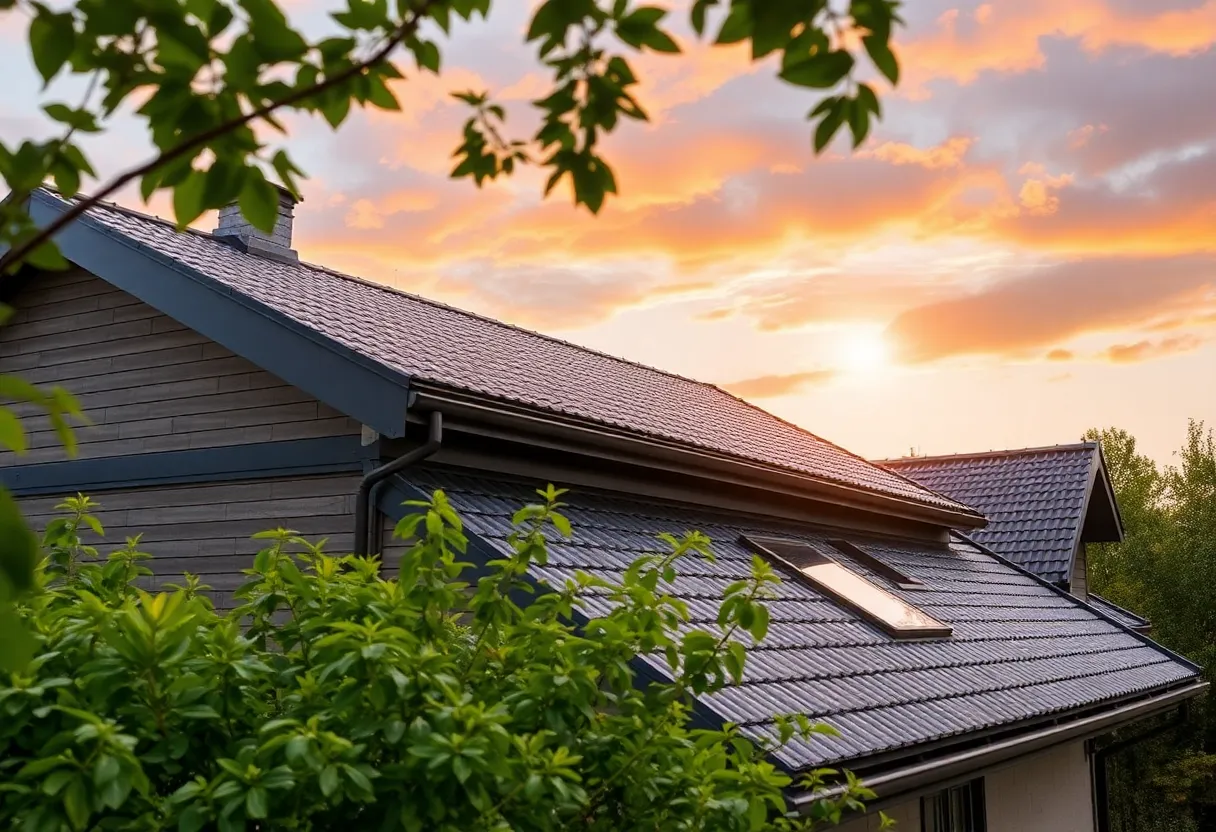
Asphalt shingles are the most common roofing material in North America. While they may not offer the same reflectivity as metal, advancements in manufacturing have led to energy-efficient variants.
- Cool Roofing Options: Some asphalt shingles are designed with reflective coatings, reducing heat absorption.
3. Clay and Concrete Tiles
Clay and concrete tiles are durable and offer natural insulation properties, which help in maintaining indoor temperatures.
- Thermal Mass: These materials can absorb heat during the day and release it slowly during cooler nights, contributing to energy savings.
4. Green Roofs
Green roofs involve a layer of vegetation and soil on the roof’s surface, providing insulation and reducing the urban heat island effect.
- Insulation Benefits: Vegetation helps in regulating roof temperature and improving air quality.
Design Considerations for Energy Efficiency
In addition to material selection, the roof’s design can profoundly affect energy efficiency.
1. Roof Shape
The shape and slope of a roof dictate how much sunlight it receives and how effectively it sheds water and snow.
- Sloped Roofs: Sloped roofs encourage better drainage and less snow accumulation, which can affect energy use in cold climates.
- Flat Roofs: In hot climates, flat roofs can be advantageous when combined with reflective materials.
2. Roof Orientation
Roof orientation influences the amount of direct sunlight received.
- North vs. South Facing: South-facing roofs receive the most sunlight, ideal for solar panel installation.
- Angle of the Roof: A steeper angle can enhance solar gain in the winter while minimizing it in the summer.
Incorporating Solar Technology
Integrating solar panels adds another layer of energy efficiency and sustainability to roofing.
- Solar Panel Type: Options include photovoltaic (PV) and solar thermal panels. PV panels generate electricity, while solar thermal panels heat water.
- Installation Considerations: The roof angle and orientation greatly affect solar panel efficiency. Correct placement maximizes sun exposure.
Maintenance and Longevity
Regular maintenance is essential for sustaining energy efficiency over time.
- Inspections: Frequent inspections can catch issues early, such as leaks that can compromise insulation and energy efficiency.
- Cleansing: Removing debris from the roof and gutters prevents moisture build-up and decay, enhancing a roof’s lifespan and performance.
Impact of Climate on Roof Design
The local climate significantly influences the choice of roof design and materials.
- Hot Climates: Light-colored, reflective materials are favored to minimize heat absorption.
- Cold Climates: Insulating materials are critical, and roofs must be designed to shed snow effectively.
- Coastal Areas: Resistance to salt and moisture is crucial for longevity.
Conclusion: A Holistic Approach
Choosing the best roof design for maximum energy efficiency requires careful consideration of several factors, including insulation, ventilation, material selection, design, and maintenance. Each element plays a role in achieving optimal energy savings and sustainability.
By understanding these components and their interplay, homeowners can make informed decisions. This holistic approach to roof design not only benefits the environment but also contributes to a comfortable and energy-efficient living space.

 Mays Contracting