The Role of Lakes and Ponds in Chapin SC Golf Community Landscapes
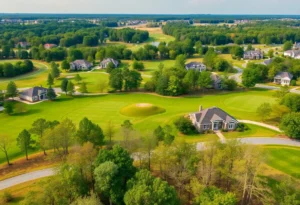
Lakes and ponds play a crucial role in the landscapes of golf communities in Chapin, SC. These water features do not merely add aesthetic value; they also serve functional, ecological, and recreational roles that enhance the overall experience of residents and golfers alike. Understanding their significance is essential for appreciating the design and management of Chapin SC waterfront courses.
Enhancing Aesthetic Appeal
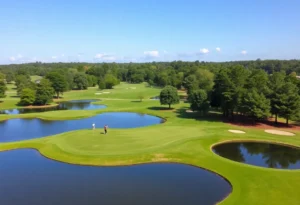
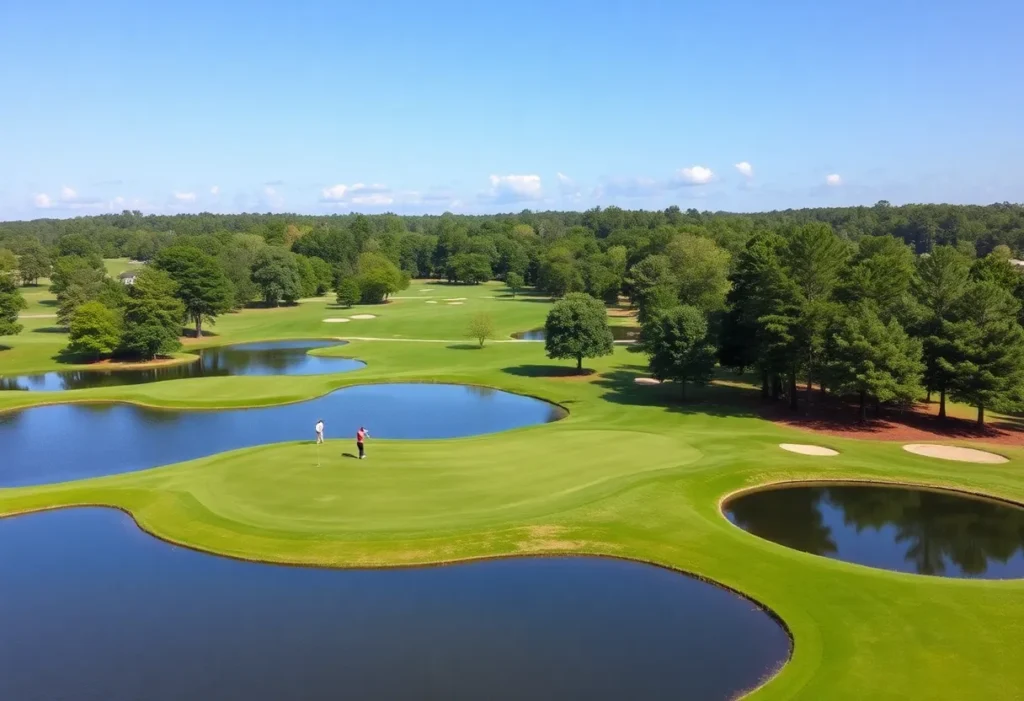
One of the primary functions of lakes and ponds in golf communities is their aesthetic contribution to Chapin landscape design. The serene water bodies create visual interest, contrasting with the lush greenery of golf fairways and roughs. This visual appeal attracts both potential homebuyers and golf enthusiasts to the community.
Designers strategically place lakes and ponds throughout the golf course to enhance the beauty of the landscape. Scenic views can elevate the golf experience, making each hole unique, while providing restful spots that bring tranquility to the surroundings.
Functional Water Hazards
In the realm of SC golf course ecology, lakes and ponds also function as key water hazards. These SC water hazards challenge golfers, requiring strategic shot placement and skillful execution. The presence of water hazards can significantly impact golfing strategy, as they compel players to think critically about each stroke.
Moreover, these bodies of water can influence the overall flow of the course. They can also serve to slow down play, creating opportunities for social interaction among players as they gather around these features.
Ecological Importance
From an ecological perspective, lakes and ponds contribute to biodiversity within golf communities. They provide essential habitats for various aquatic and terrestrial species. The ecosystems surrounding these water bodies can support fish, amphibians, birds, and plants, fostering a rich biological community that enhances the environmental quality of the area.
In terms of SC golf course ecology, the management of these water resources is crucial. Maintaining clean water and surrounding habitats can positively influence the health of local wildlife. Additionally, good ecological practices enhance the sustainability of golfing environments and promote environmental stewardship among community residents.
Water Management Practices
Effective water management is essential for maintaining the integrity of lakes and ponds in Chapin. This includes monitoring water quality, controlling invasive species, and managing nutrient levels to prevent algal blooms and other water quality issues. Proper management ensures that the water features remain healthy while serving their aesthetic and functional roles.
Furthermore, utilizing native plant species in the landscaping around lakes and ponds helps to stabilize the soil and reduce erosion. Native plants also require less maintenance and water, contributing to the sustainability of the landscape design.
Recreational Opportunities
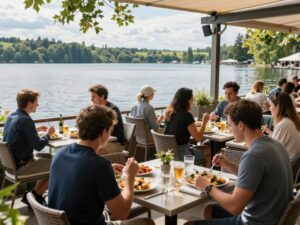
Beyond the golf course, lakes and ponds create opportunities for various recreational activities, which are vital to community life in Chapin. Residents can engage in activities such as kayaking, fishing, or simply enjoying nature. These recreational options enhance the overall quality of life, making the community more attractive to potential residents.
Conclusion
The role of lakes and ponds in the Chapin SC golf community landscapes is multifaceted. From enhancing the aesthetic appeal of Chapin SC waterfront courses and providing functional water hazards, to promoting ecological health and offering recreational opportunities, they are integral to the community’s character and lifestyle. Understanding these roles can lead to more effective management practices that benefit both the environment and the residents of Chapin, ensuring a sustainable and beautiful living space.