The Role of Lakes and Ponds in Chapin SC Golf Community Landscapes
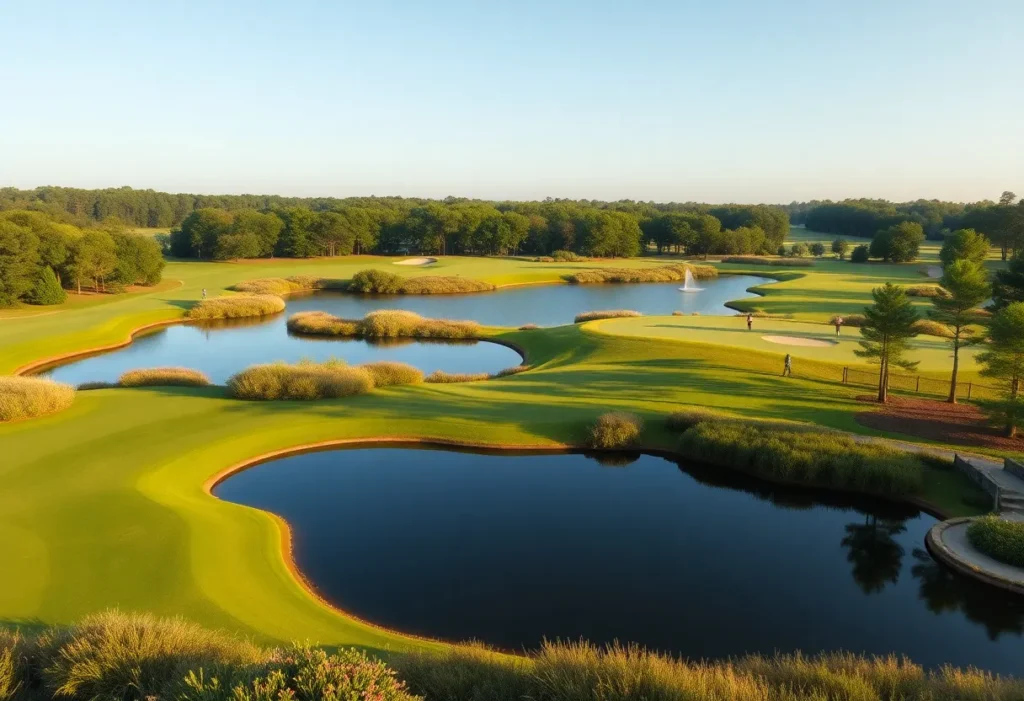
In the heart of Chapin, SC, lakes and ponds embody an essential component of the local golf community landscapes. These water features play a multifaceted role that enhances both aesthetics and ecology of golf courses. The integration of lakes and ponds into SC golf course ecology is crucial for promoting biodiversity, defining the zones of play, and contributing to a visually appealing environment.
The Importance of Water Features
Lakes and ponds SC serve as more than mere decorations on the golf course. They contribute substantially to ecological balance. These water bodies create habitats for various wildlife, enhancing the overall biodiversity of Chapin’s landscapes. In turn, these ecosystems provide natural pest control, which is of particular benefit to golf course maintenance.
SC Water Hazards: A Key Component
The presence of water hazards, such as lakes and ponds, serves a practical role in course design. They present challenges for golfers, requiring players to strategically navigate the course. This is especially evident in Chapin SC waterfront courses, where water hazards compel golfers to make calculated decisions regarding their shots. The tactical use of water hazards can greatly influence the pace of play and the overall experience for golfers.
Ecological Contributions
The lakes and ponds in Chapin are vital for promoting the ecological health of golf courses. They serve as critical water sources for wildlife, including birds, amphibians, and aquatic life. Additionally, these bodies of water help in maintaining local flora and fauna, establishing a sense of harmony within the golf community’s landscape design.
Irrigation Benefits
Water features are not only aesthetically pleasing but also provide essential irrigation sources. The lakes and ponds supply the necessary water for maintaining greens, fairways, and landscaping around the course. Efficient water management schemes utilize these features to balance the water needs of the course and ensure sustainability in maintaining quality playing conditions.
Landscape Design in Chapin SC
Chapin landscape design heavily incorporates lakes and ponds for aesthetic and functional purposes. The design philosophy in Chapin emphasizes the natural beauty of the local terrain. By placing water features strategically, landscape architects enhance vistas for golfers while optimizing the ecological benefits water can bring to the overall environment. Native plants along the shorelines not only beautify the area but also contribute to soil stabilization and reduce erosion.
Wildlife Habitat Enhancement
The lakes and ponds also serve as important wildlife corridors, allowing species to thrive without human interference. For example, frogs and other amphibians require these water bodies for breeding. Establishing buffer zones around lakes and ponds can enhance this aspect further, creating a rich habitat for various species, which in turn adds to the ecological value of the golf course.
Water Management Challenges
Despite their numerous benefits, managing lakes and ponds presents challenges. Maintaining water quality is crucial to prevent issues such as algal blooms. Golf course management teams must invest in monitoring and treatment solutions. This includes aeration and introducing native species that can help filter water naturally, ensuring that SC water hazards remain recreationally and ecologically sound.
Optimization of Play
The strategic positioning of lakes and ponds can optimize gameplay while enhancing safety. Properly designed water features can act as natural deterrents for errant shots, pushing golfers to refine their skills and approach. This can foster a culture of improvement, where players constantly strive to enhance their abilities, ensuring a fulfilling experience on the links.
Conclusion
The role of lakes and ponds in Chapin SC golf community landscapes is undeniably significant. They provide ecological benefits, enhance landscape design, and contribute to the gameplay experience. By effectively integrating these water features into the golf course design, Chapin sets a precedent for maximizing both beauty and functionality. The continued integration of lakes and ponds in SC golf course ecology will serve to benefit golfers, wildlife, and the environment alike.