
The Impact of Local Regulations on Chapin SC Golf Neighborhood Properties
Understanding Local Regulations in Chapin SC
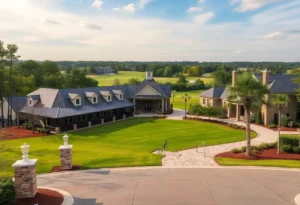
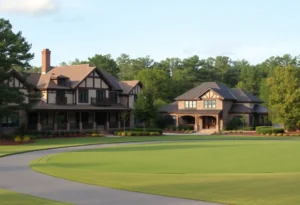
Chapin, South Carolina, is renowned for its picturesque golf communities. As these neighborhoods thrive, the influence of local regulations SC becomes increasingly significant. Both buyers and homeowners need to understand how local laws can impact property values, development, and community standards.
The Role of Chapin SC Zoning Laws
Zoning laws are pivotal that govern land use in Chapin SC. They dictate the type of structures permitted in specific areas. This ensures that neighborhoods retain their character and property values remain stable. Developments in golf communities must adhere to these zoning laws, impacting construction size, type, and location.
Types of Zoning in Chapin SC
Chapin SC zoning laws categorize land into different classifications. These generally include residential, commercial, and agricultural zones. Residential zones are particularly relevant for golf neighborhoods. They often have distinct guidelines to maintain the aesthetic appeal and property standards inherent to these communities.
SC Property Rules and Regulations
In addition to zoning laws, SC property rules play a crucial role in shaping golf neighborhood properties. These rules encompass a range of regulations that can influence property maintenance, home construction, and land usage.
Homeowner Association Guidelines
Many golf communities in Chapin SC have Homeowner Associations (HOAs). These associations enforce community standards through specific guidelines. HOAs may set rules on landscaping, exterior paint colors, and property modifications.
Homeowners must comply with these Chapin SC home guidelines to avoid penalties. Strict adherence to these regulations not only enhances aesthetics but also protects property values.
Development Regulations for Golf Communities
Local regulations also involve development controls. These are crucial for maintaining the integrity of golf course environments. Developers must present plans that align with local regulations and community expectations.
Environmental Considerations
Regulations often require environmental assessments. These assessments ensure that new developments do not disrupt local ecosystems. Protecting water bodies, vegetation, and wildlife is a priority in Chapin SC, particularly in areas near golf courses.
The Importance of Compliance
Adhering to SC golf community rules and regulations is vital for homeowners and developers. Compliance ensures that properties maintain their value over time. Moreover, it fosters a harmonious living environment within the community.
Consequences of Non-Compliance
Failure to comply with local regulations can result in significant consequences. Homeowners may incur fines or face legal action from local authorities or HOAs. Non-compliance can also deter potential buyers, negatively affecting property resale values.
Impact on Property Values
Local regulations directly correlate with property values in golf communities. Homes that follow established rules tend to maintain better market values. Well-regulated neighborhoods often attract buyers looking for a particular lifestyle associated with golf communities.
User Experience and Community Appeal
The aesthetic appeal of regulated neighborhoods enhances the overall user experience. Regulations help ensure clean, well-maintained common areas and amenities. These factors contribute to the attractiveness of golf neighborhoods, particularly in Chapin SC.
Future Implications of Local Regulations
As the demand for golf properties increases, local regulations may evolve. Authorities may introduce stricter guidelines to cope with environmental concerns or population growth. Residents and potential buyers should remain informed about any changes to local laws.
Summary
In conclusion, understanding the impact of local regulations SC on Chapin SC golf neighborhood properties is essential for homeowners and potential buyers. Zoning laws, property rules, and HOA regulations play a pivotal role in maintaining the integrity and value of these communities. Compliance is not just a legal obligation; it is a pathway to fostering a desirable living environment.