
How to Choose the Best Roofing Options for Fire Resistance and Safety
Choosing the right roofing material can significantly impact the fire resistance and safety of your home. Fire-resistant roofs not only provide peace of mind but also enhance the overall safety of the property. Understanding the roofing options available, their fire ratings, and the manufacturer’s specifications are critical in ensuring that your home remains safe in case of a fire. This article outlines essential considerations for selecting the best roofing options focused on fire resistance and safety.
Understanding Fire Ratings
Fire ratings are essential in assessing how different roofing materials perform in the event of a fire. These ratings are established based on tests and classifications to determine a material’s resistance to fire. The American Society for Testing and Materials (ASTM) and Underwriters Laboratories (UL) are two organizations that develop standards for testing materials.
Types of Fire Ratings
- Class A: The highest fire resistance rating. These materials can withstand severe fire exposure.
- Class B: These materials offer moderate fire resistance and can withstand moderate fire exposure.
- Class C: Materials classified in this group can resist light fire exposure but are less reliable than Class A or B materials.
When selecting roofing materials, prioritize those with a Class A fire rating for maximum safety.
Popular Fire-Resistant Roofing Materials
Various roofing materials are suitable for fire resistance and safety. Here are some of the most commonly recommended options:
1. Metal Roofing
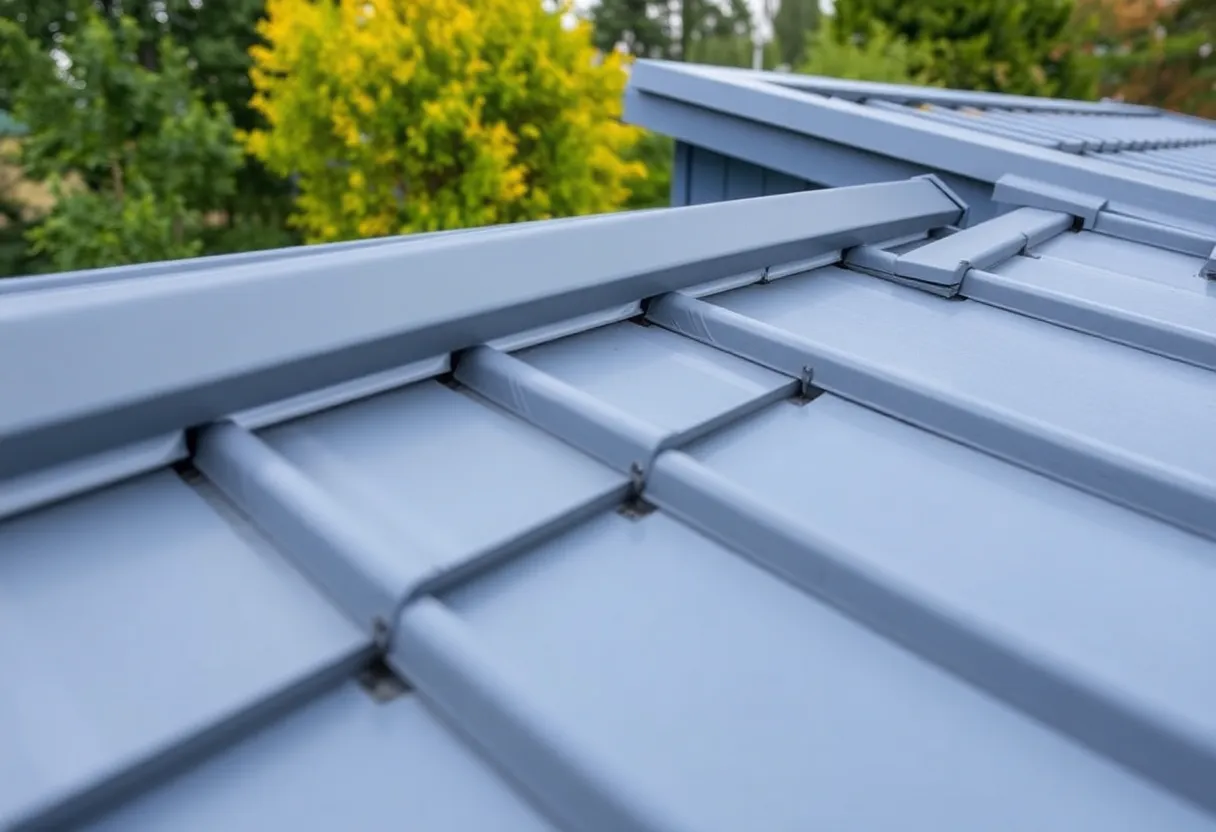
Steel and aluminum roofs are known for their impressive fire-resistant capabilities. Metal roofing is non-combustible and has a Class A fire rating. Additionally, its ability to withstand extreme weather conditions makes it an excellent investment in terms of longevity and safety.
2. Slate Roofing
Slate is a natural stone that exhibits excellent fire resistance properties. It is non-combustible and typically achieves a Class A fire rating. Slate roofing materials are durable and can last for decades, but installation can be labor-intensive and costly.
3. Clay and Concrete Tiles
Clay and concrete tiles are excellent options for fire-resistant roofing. Both materials are non-combustible and usually receive a Class A rating. Their weight requires a strong roofing structure, which may involve additional installation considerations.
4. Asphalt Shingles
While asphalt shingles are widely used and offer an affordable option, not all asphalt shingles provide high fire resistance. Choose specialized Fire-Resistant Asphalt Shingles that meet a Class A fire rating. These are typically treated with fire retardants.
5. Synthetic Roofing Materials
Synthetic roofing materials, such as rubber and plastic, can mimic the appearance of natural materials while providing fire resistance. Some synthetic options achieve a Class A fire rating, but it is crucial to verify certifications from manufacturers.
Factors to Consider When Choosing a Fire-Resistant Roof
Mere selection of fire-resistant materials is not enough. Various factors should guide your decision-making process:
1. Local Building Codes
Consult local building codes to understand any specific requirements for fire safety. Certain regions may have stricter regulations due to risk factors such as wildfire exposure.
2. Installation Quality
The effectiveness of fire-resistant materials is directly influenced by the quality of installation. Hiring certified roofing professionals ensures that materials are correctly applied, maintaining their fire resistance capabilities.
3. Roof Pitch
The angle of your roof can influence how flames and heat interact with roofing materials. Steeper roofs are typically less susceptible to fire spread compared to flat roofs. Consider the pitch when selecting roofing materials.
4. Environment and Location
Your geographical location plays a critical role in selecting appropriate roofing materials. Areas prone to wildfires need superior fire-resistant materials. Evaluate local environmental factors before making a decision.
5. Maintenance and Longevity
Regular maintenance is crucial for maintaining the fire resistance of roofing materials. Choose materials that require minimal upkeep, and ensure that you regularly inspect your roof for debris, which can serve as fuel during a fire.
Additional Safety Measures
Choosing fire-resistant roofing is just one aspect of ensuring the safety of your home. Consider implementing additional measures to enhance overall safety:
1. Firebreaks
Implementing firebreaks, which are clear zones devoid of flammable materials around your home, can significantly reduce the risk of fire spreading to the structure.
2. Sprinkler Systems
Installing exterior fire sprinkler systems can help control or deter fires from reaching your roof. These systems can provide additional peace of mind and protection.
3. Landscaping Choices
Choose fire-resistant landscaping options. Avoid using highly flammable plants near your home’s foundation to minimize fire risks.
4. Fire-Resistant Gutters
Ensure that your gutters are cleaned regularly to prevent the accumulation of debris. Consider installing fire-resistant gutter systems to decrease the risk of fire spreading from roof to gutter.
5. Emergency Plan
Have an emergency evacuation plan in place and ensure that all household members are aware of it. Regular drills can enhance preparedness in emergencies.
Conclusion
Choosing a fire-resistant roofing option is vital for protecting your home from potential fires. Evaluating fire ratings, considering environmental factors, and consulting local building codes will assist you in making informed decisions. Committing to high-quality installation and regular maintenance further enhances safety. Remember, in addition to fire-resistant materials, adopting other safety measures creates a comprehensive fire safety strategy.

 Mays Contracting