
How to Safely Repair Roof Damage: Essential Tips for DIY Homeowners
Roof damage can occur for various reasons, such as severe weather, aging materials, or improper installation. For many homeowners, especially those considering DIY repairs, it is crucial to understand the safest and most effective methods to address these issues. In this guide, we provide essential tips for safely repairing roof damage.
Assessing Damage: The First Step
The first and most important step in repairing roof damage is a thorough assessment. You need to determine:
Identifying the Type of Damage
- Shingle Damage: Check for missing, curled, or cracked shingles. This is often a sign of aging or wear.
- Leaks: Look for signs of water damage inside your home, such as stained ceilings or walls, which can indicate leaks.
- Structural Issues: Inspect rafters and the decking beneath the shingles for rot or sagging.
Safety Precautions
Prioritizing safety is essential when working on your roof. Follow these guidelines:
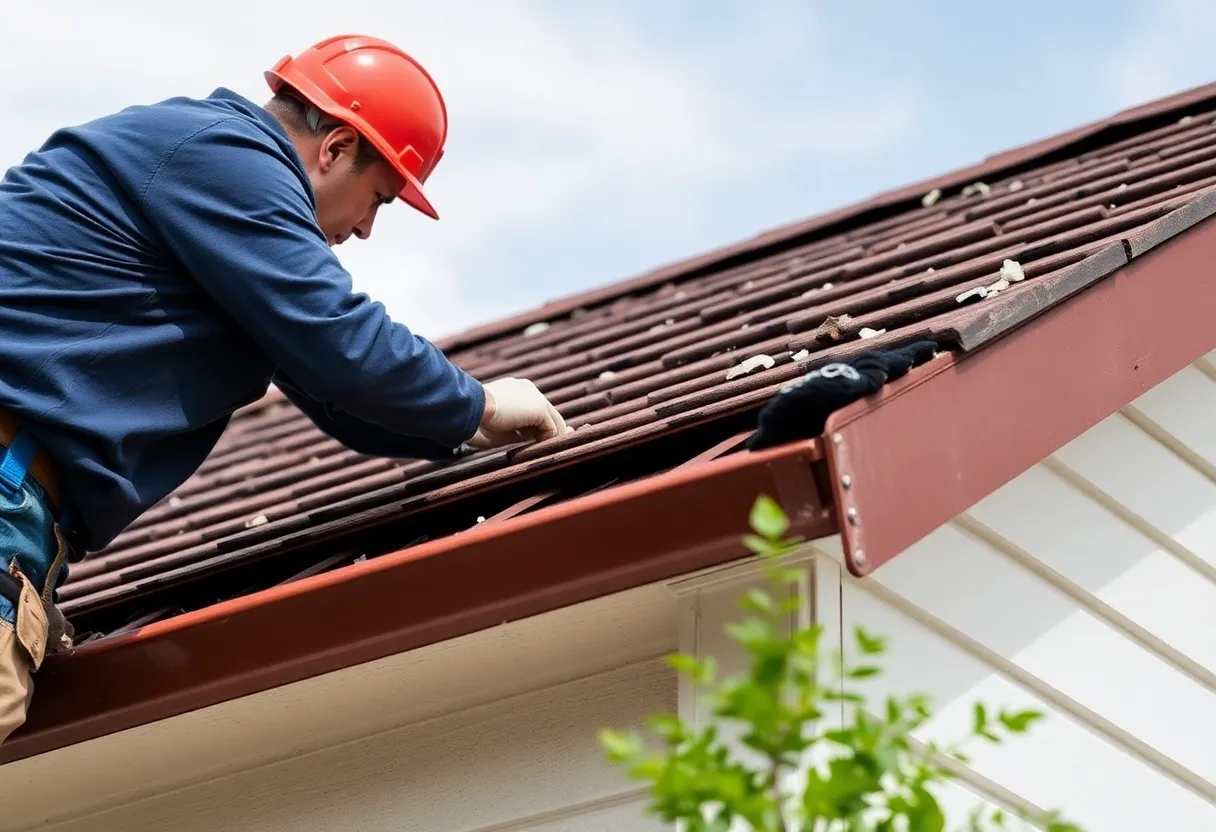
- Use Proper Gear: Wear slip-resistant shoes, a safety harness, and a hard hat to protect yourself.
- Choose the Right Conditions: Repair on a dry, calm day to avoid slipping or being hit by falling debris.
- Use Ladders Safely: Ensure your ladder is stable and positioned on level ground.
Gathering Necessary Tools and Materials
Before you start repairs, ensure you have the following tools and materials:
Essential Tools
- Roofing Hammer: This is designed specifically for roofing work.
- Utility Knife: For cutting shingles and roofing material.
- Measuring Tape: To measure the area needing repair accurately.
- Safety Harness: This can save you from dangerous falls.
Material Requirements
- Shingles: Ensure that they match the existing roof.
- Roofing Cement: Used to seal shingles and leaks.
- Flashing: Necessary for areas around chimneys, vents, and other protrusions.
Implementing Repairs
Once you’ve assessed the damage and gathered your materials, you can begin repairs. Follow these steps:
Replacing Damaged Shingles
- Remove the Old Shingle: Use a roofing hammer to pry up nails and removed damaged shingles.
- Install the New Shingle: Slide the new shingle into place, ensuring it overlaps with adjacent shingles.
- Nail it Down: Secure the new shingle with roofing nails, ensuring they are properly driven in.
Fixing Leaks
- Locate the Leak: Inspect the areas surrounding flashing, roof vents, and areas with seams.
- Apply Roofing Cement: Use a putty knife to apply roofing cement around damaged areas.
- Seal with Flashing: If applicable, use new flashing to seal areas prone to leakage.
Finishing Touches and Maintenance
After completing repairs, it’s crucial to conduct a thorough inspection and consider ongoing maintenance:
Performing a Final Inspection
After repairs are made, inspect for:
- Alignment: Ensure all shingles are straight and aligned properly.
- Flashing Seals: Check seals around flashing to confirm they are secure.
- Debris Removal: Clear any debris to avoid future damage.
Establishing Regular Maintenance
To prevent future damage, consider the following:
- Regular Inspections: Check your roof at least twice a year and after severe weather events.
- Clean Gutters: Ensure gutters are clear to prevent water backup.
- Shingle Check: Regularly check the condition of shingles, especially after storms.
When to Hire a Professional
While DIY repairs can save money, certain situations warrant hiring a professional. Consider the following factors:
Extent of Damage
If the damage is extensive or involves structural integrity, professional help is necessary. Structural repairs require specialized knowledge and tools.
Complex Roofing Systems
Roofs with multiple slopes, valleys, or complexities may pose challenges that are better suited for professionals.
Safety Concerns
If you are uncomfortable working at heights or lack experience, it is advisable to hire a trained roofing contractor.
Conclusion
Repairing roof damage can be a manageable task for homeowners willing to take the necessary precautions and follow proper procedures. By assessing the damage accurately, gathering the right tools, and performing repairs safely, you can extend your roof’s lifespan. Regular maintenance can further prevent issues from arising again in the future. However, if the damage appears extensive or complex, consider enlisting the services of professionals to ensure safe and effective repairs.

 Mays Contracting