How to Effectively Choose the Right Roof Shape for Your Home’s Style and Functionality
Choosing the right roof shape for your home is an essential architectural decision that affects both aesthetics and functionality. The roof not only contributes to the overall appearance of a house but also plays a crucial role in protecting it from the elements. In this article, we will explore various roof shapes, their characteristics, benefits, and considerations to help you make an informed choice.
Understanding Roof Shapes
Different roof shapes serve different purposes and complement various architectural styles. Below are some of the most common roof shapes:
Gable Roof
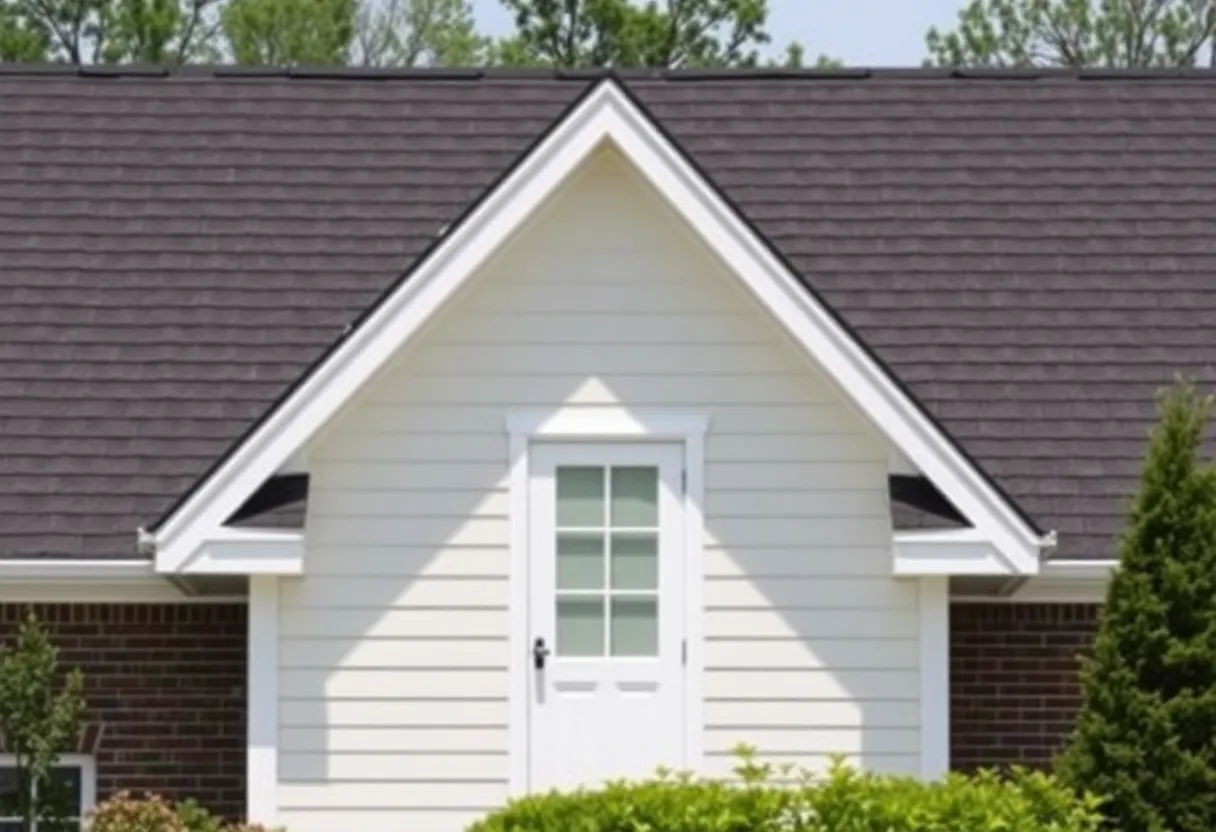
A gable roof features two sloping sides that meet at a ridge, forming a triangular shape. This design is popular for its simplicity, effectiveness in shedding rain, and ample space for an attic. Gable roofs are commonly seen in traditional and modern homes, making them versatile in style.
Hip Roof
The hip roof has slopes on all four sides that meet to form a ridge at the top. This design is particularly beneficial in areas prone to high winds, as its shape provides greater stability. Hip roofs also create an aesthetically pleasing look and allow for more usable attic space compared to gable roofs.
Mansard Roof
Originating in France, the Mansard roof features slopes on all four sides, with the lower slope being steeper than the upper slope. This design allows for maximizing living space in the attic, making it ideal for homes that require extra bedrooms or storage. Mansard roofs are often associated with Victorian and French architectural styles.
Flat Roof
Flat roofs are nearly horizontal and typically feature a slight pitch for drainage. They have become popular in modern architecture for their minimalist look and ease of installation. Flat roofs can also be utilized for rooftop gardens or terraces, enhancing outdoor living space.
Butterfly Roof
The butterfly roof is an innovative design that resembles the wings of a butterfly. This roof shape features two sloping sections that meet in the middle, creating a valley. While striking and modern, it requires effective drainage solutions to prevent water accumulation.
Factors to Consider When Choosing a Roof Shape
Selecting the right roof shape is not merely a matter of aesthetics; various factors come into play. Here are key points to consider:
Architectural Style
The architectural style of your home should guide your choice of roof shape. Traditional homes often look best with gable or hip roofs, whereas contemporary designs may favor flat or butterfly roofs. Maintaining harmony between the roof and the rest of the structure is crucial for achieving visual cohesion.
Climate and Weather Conditions
Local climate significantly influences roof design. In areas with heavy snowfall, steep roofs (like gable or mansard) are recommended to prevent snow accumulation, while flat roofs may be suitable in warmer, drier climates. Likewise, consider wind patterns—hip roofs exhibit superior resistance in wind-prone regions.
Functionality and Space Requirements
Different roof shapes provide varying levels of usable space. If additional living space is a priority, consider a Mansard roof or a gable roof with an attic. Flat roofs offer the advantage of outdoor areas but may not provide sufficient insulation for living space underneath.
Building Regulations and Codes
Before finalizing your choice, consult local building codes and zoning regulations. Some areas impose restrictions on roof shapes, heights, and materials. Ensure compliance to avoid costly modifications later.
Roof Material Compatibility
The roof’s material can also influence its shape and functionality. Here’s how various materials align with roof shapes:
Asphalt Shingles
Asphalt shingles are versatile and work well with gable, hip, and flat roofs. However, they may not be ideal for intricate designs that require a higher level of durability. Make sure to consider the weight and compatibility with the chosen roof shape.
Metal Roofing
Metal roofs are highly durable and often used on various roof shapes, including gable and flat designs. They effectively reflect heat and are resistant to extreme weather. Metal roofs can be fabricated to fit almost any roof style.
Tiles
Tile roofs pair beautifully with Spanish, Mediterranean, and Victorian architectural styles, often found on gable roofs. While heavy, they offer excellent longevity and insulation properties. Make sure the structure can support the additional weight when considering this option.
Cost Implications
Cost is a significant factor when selecting a roof shape. More complex designs, like butterfly or Mansard roofs, typically require advanced framing and materials, increasing labor and installation costs. In contrast, simpler roof shapes, such as gable roofs, often prove to be more economical.
Conclusion
Choosing the right roof shape is a multifaceted decision that requires careful consideration of aesthetics, functionality, climate, and cost. Each roof type comes with its unique benefits and challenges. Analyze how the roof shape will integrate with your architectural style, enhance the home’s functionality, and adhere to local regulations. Ultimately, a well-chosen roof shape contributes significantly to the home’s overall appeal and performance.

 Mays Contracting