
How to Identify Energy-Efficient Roofing Solutions for Hot Climates: A DIY Guide
Understanding the Importance of Energy-Efficient Roofing
In hot climates, energy-efficient roofing plays a pivotal role in reducing energy costs and enhancing comfort. Hot weather often results in increased energy demands for air conditioning. Energy-efficient roofing solutions help mitigate this pressure by minimizing heat absorption and improving insulation.
Key Features of Energy-Efficient Roofing
1. Solar Reflectance
Solar reflectance measures a roof’s ability to reflect sunlight away from the building. Roofs with high solar reflectance keep your property cooler, reducing the need for air conditioning. Look for materials with a Solar Reflectance Index (SRI) rating of 29 or higher.
2. Thermal Emittance
This feature refers to a roofing material’s ability to release absorbed heat. A high thermal emittance rating allows a roof to lose heat more effectively during the night, further enhancing energy efficiency.
3. Insulation Value
Good roofing materials should also offer effective insulation properties. Insulation values are typically expressed as R-values—in general, the higher the R-value, the better the insulating capability. Consider using insulated roofing systems or adding insulation to existing roofs.
Choosing the Right Material
1. Metal Roofing
Metal roofs are well-known for their energy efficiency. They reflect sunlight and can reduce cooling costs by up to 25%. Moreover, many metal roofing options come with cool-coating technology.
2. Clay and Concrete Tiles
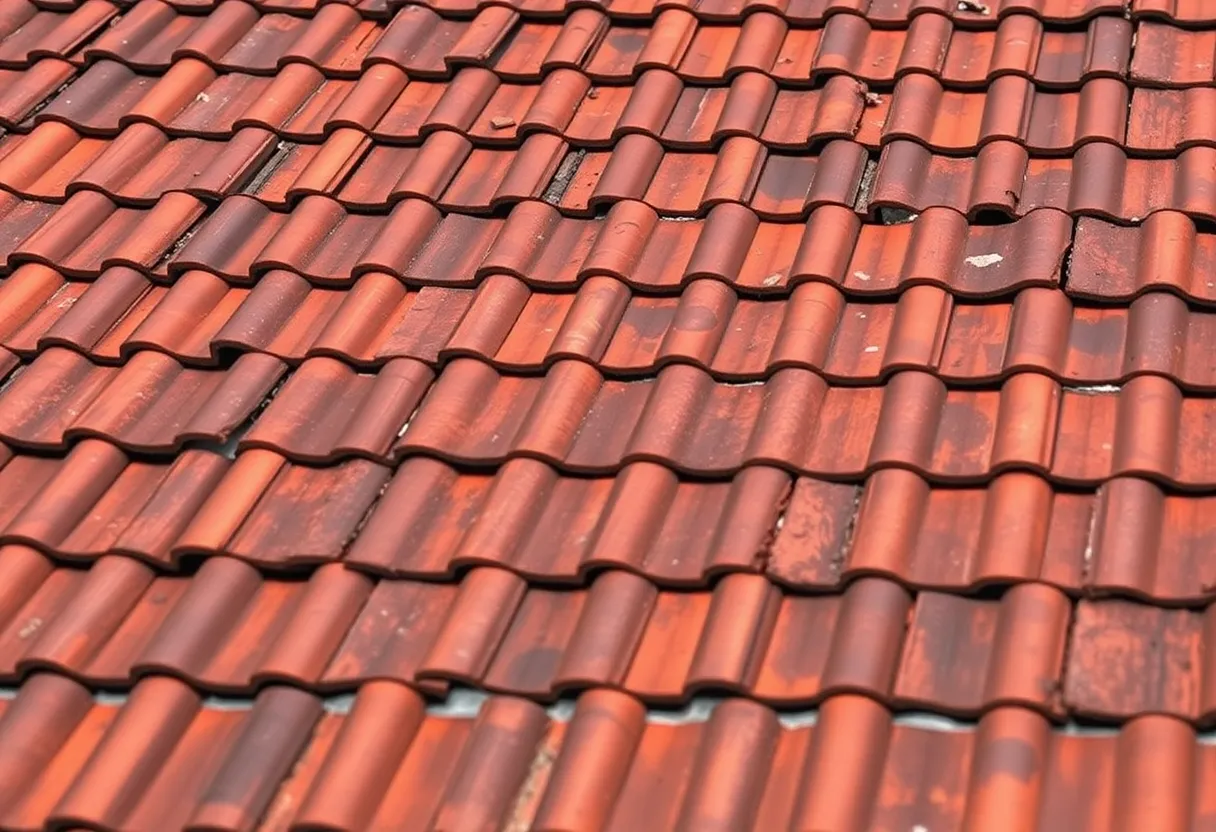
Clay and concrete tiles are also ideal for hot climates. They provide natural insulation and are often coated with reflective surfaces. Their durability adds to their appeal, making them an excellent choice for long-term investment.
3. Asphalt Shingles
High-quality asphalt shingles can be energy-efficient if they are specifically designed for hot climates. Look for Energy Star-rated shingles with reflective granules. These can significantly lower roof surface temperatures.
4. Green Roofs
Green roofs offer an innovative and environmentally friendly option. They involve cultivating plants on rooftops, providing natural insulation and absorbing heat, thus reducing urban heat islands.
Evaluating Energy-Efficient Roofs
1. Look for Certifications
Check for certifications like Energy Star and Cool Roof Rating Council (CRRC) labels. These certifications indicate that the roofing meets stringent energy-efficiency standards.
2. Assess Warranty and Lifespan
A long warranty often reflects the manufacturer’s confidence in the product’s durability and performance. Consider materials with proven longevity to maximize return on investment over time.
3. Consult Local Climate Data
Research your local climate conditions. Humidity, rainfall, and average temperatures play significant roles in determining the suitability of various roofing materials. Local climate data should guide your material choice.
Installation Considerations
1. Professional Installation
Ensure roofing materials are installed by qualified professionals. Improper installation can compromise the energy efficiency and lifespan of your roof. Ensure the contractor has experience in installing energy-efficient systems.
2. DIY Options
For those with technical skills, certain aspects of roofing can be DIY projects. Replacing damaged shingles or adding insulation to an existing roof can be manageable tasks. However, for major installations, professional help is recommended.
Maintenance for Sustained Performance
1. Regular Inspections
Schedule regular inspections to identify potential issues such as leaks or damage. Early intervention can prevent costly repairs and maintain efficiency.
2. Cleaning and Debris Removal
Keep your roof clean. Accumulation of dirt, leaves, and debris can reduce solar reflectance. Perform routine cleaning to ensure the roofing system functions optimally.
3. Maintain Gutters
Effective drainage is essential. Clean gutters to prevent water pooling on the roof, which can lead to structural damage and increased energy consumption.
Conclusion
Investing in energy-efficient roofing solutions for hot climates is crucial for reducing energy costs and enhancing comfort. By focusing on key features like solar reflectance, thermal emittance, and insulation value, you can identify suitable roofing materials. Evaluate different options, consider installation and maintenance, and you will be on your way to creating an energy-efficient home.

 Mays Contracting