

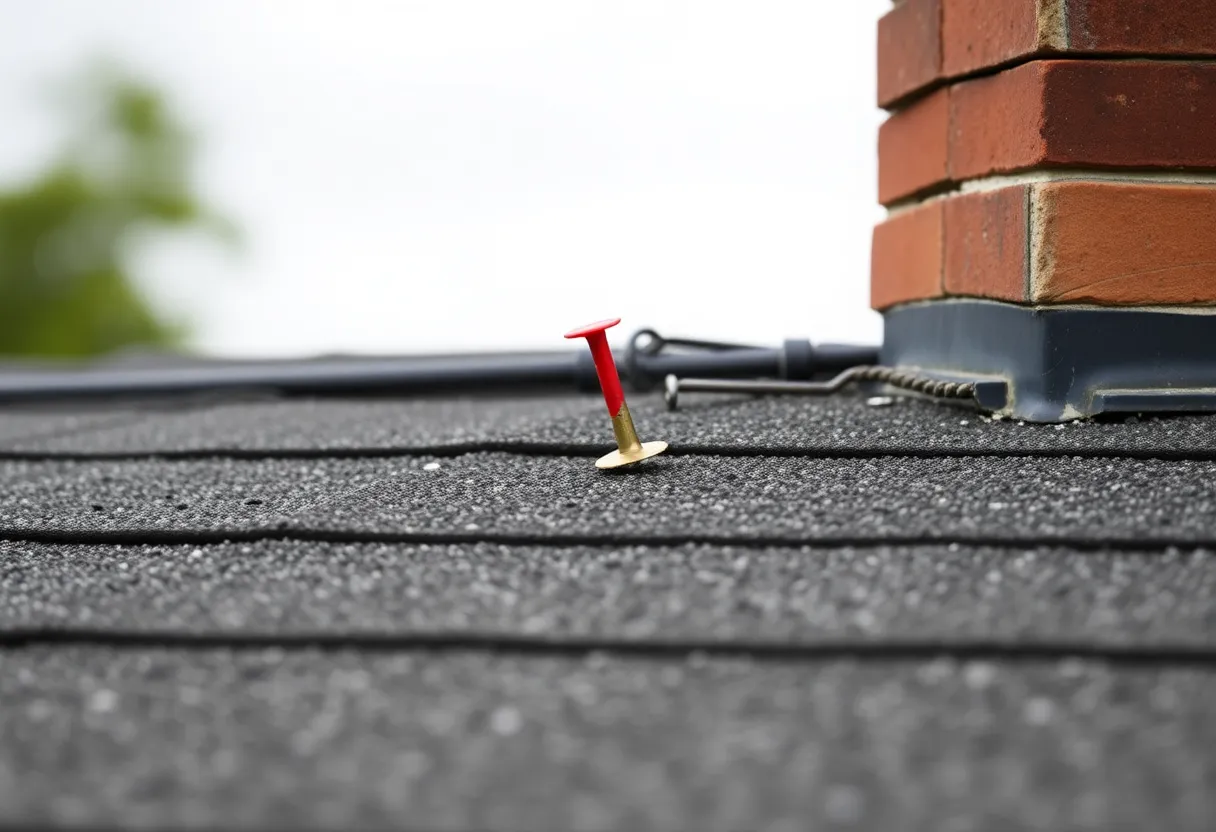
How to Identify and Repair Common Roof Nail Pops: A DIY Guide for Homeowners
Roof maintenance is critical for ensuring the longevity and functionality of your home. Among various roofing issues, nail pops are relatively common but can lead to more significant problems if not addressed promptly. This article will provide an in-depth guide on how to identify and repair roof nail pops, equipping homeowners with the necessary knowledge to tackle the issue effectively.
Understanding Nail Pops
Before diving into identification and repair, it’s essential to understand what nail pops actually are. Nail pops occur when roofing nails lose their grip, causing them to back out of the roof deck. This can happen due to temperature fluctuations, moisture buildup, or improper installation. If left unattended, nail pops can lead to leaks and water damage, making early detection crucial.
Common Causes of Nail Pops
Recognizing the causes of nail pops can help you prevent them in the future. Some of the common causes include:
- Temperature Changes: Expanding and contracting materials due to heat and cold can loosen nails.
- Moisture Issues: Water intrusion can weaken roofing material, leading to nail movement.
- Improper Installation: Poorly driven nails can easily back out due to a lack of holding power.
- Roof Movement: Structural shifts in the roof may impact the stability of roofing nails.
Identifying Nail Pops
Identifying nail pops may seem straightforward, but specific signs can help you distinguish them from other roofing issues. Here are steps to effectively identify nail pops:
Visual Inspection
Begin with a thorough visual inspection of your roof. Look for:
- Raised shingles: Shingles that aren’t lying flat can indicate an underlying nail pop.
- Rust Formation: Rusty nails can point to moisture issues and potential nail pops.
- Water Stains: Inside your home, check the ceiling or walls for water stains; this may indicate a nail pop or other roofing issue.
- Cracked Shingles: A cracked shingle can also signify a nail pop beneath it.
Touch Test
For further confirmation, you can perform a touch test. Gently press down on the raised shingles. If they yield slightly, there is likely a nail pop beneath.
Repairing Nail Pops
Once you have identified a nail pop, repairing it can be a manageable DIY project. Follow these steps to repair nail pops effectively:
Essential Tools and Materials
Before starting, gather the necessary tools and materials:
- Roofing Nails: Ensure you have proper roofing nails for the job.
- Hammer: A sturdy hammer for driving the nails back down.
- Roofing Cement: This will seal the nail head and prevent further moisture intrusion.
- Caulk Gun: For applying roofing cement effectively.
- Safety Gear: Wear appropriate safety gear, including gloves and a hard hat.
Step-by-Step Repair Process
Follow these steps for a safe and effective repair:
- Assess the Damage: Determine the extent of the nail pop and whether additional repairs are necessary.
- Remove Shingle (if needed): If the nail pop is causing significant damage, consider removing the affected shingle.
- Drive the Nail Down: Use your hammer to re-secure the protruding nail. Ensure it’s appropriately sunk into the roofing material.
- Apply Roofing Cement: Use your caulk gun to apply roofing cement over the nail head, ensuring it is adequately sealed.
- Replace Shingle (if removed): If you removed a shingle, reposition it. Secure it with new nails if necessary.
- Final Inspection: Inspect the area for any signs of loose shingles or additional nail pops.
Preventative Measures
After repairing nail pops, taking preventative measures can help you avoid future occurrences:
Regular Roof Maintenance
Schedule routine roof inspections, ideally biannually or after severe weather events. Regular maintenance helps identify potential issues early.
Proper Installation
If you’re installing a new roof or carrying out repairs, ensure that roofing materials are correctly installed and that nails are adequately driven.
Monitor Weather Conditions
Be aware of your local climate. If you live in an area prone to extreme temperature fluctuations, consider using different roofing materials designed to withstand such conditions.
Conclusion
Nail pops, while common, should not be ignored. Regular inspections, swift identification, and effective repair can mitigate the risks associated with them. By following the steps outlined in this guide, homeowners can address nail pops efficiently and enhance their roof’s longevity.
In taking this proactive approach, homeowners not only protect their investments but also ensure a safe and durable living environment for their families.

 Mays Contracting